Search allergists by provider name, practice, city, state, ZIP, specialty, and allergy services. Compare local care options alongside AllergyAva pollen forecasts.
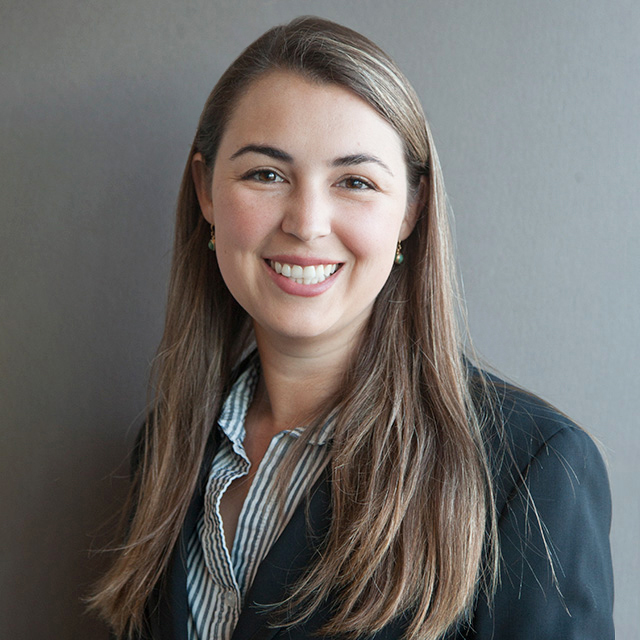
Dr. Rose Monahan is a UCSF Health allergist and immunologist in San Francisco, California. She cares for patients with a wide range of allergic and immune deficiency conditions, with special interests in medication allergies, drug allergy evaluation, and improving access to efficient, high-quality allergy care.
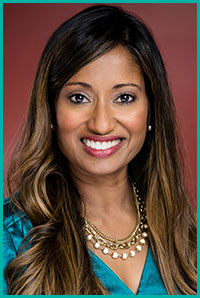
Dr. Roshni Kandyil Foster is a Denton allergist and immunologist at North Texas Allergy & Asthma Center. With both MD and PhD training, she brings a research-informed approach to asthma, allergic rhinitis, food allergies, eczema, hives, sinus symptoms, and immune concerns for children and adults across North Texas.
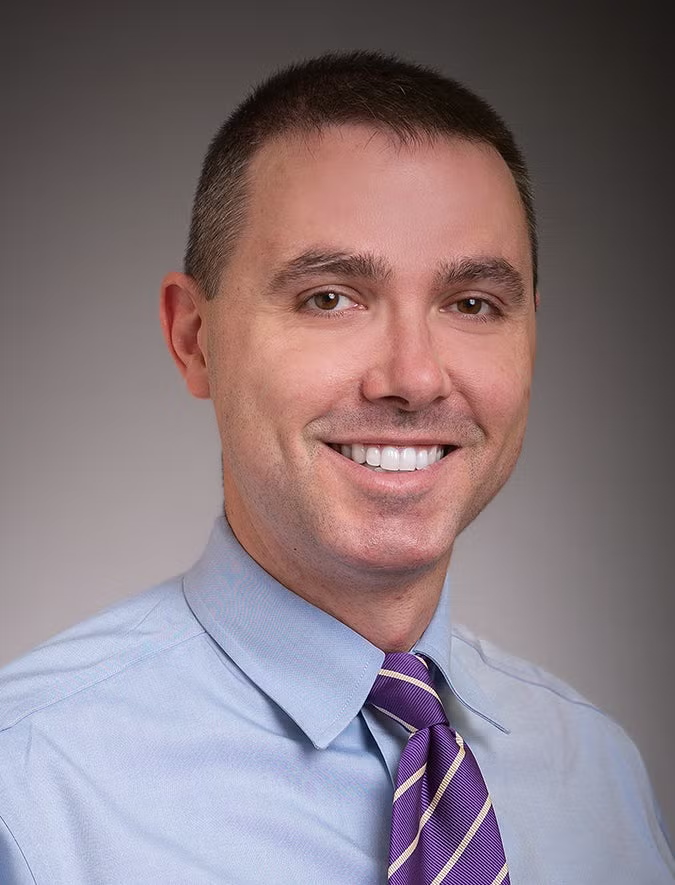
Dr. Ross Tanis is an allergist-immunologist at Allergy & Asthma Physicians in Hinsdale, Illinois, providing personalized allergy and asthma care for children and adults. His interests include allergic disease, asthma, atopic dermatitis, and emerging therapies for allergy care.
Dr. Roxanne Leung is an Allergy and Asthma Associates of Northern California physician in San Jose. She provides adult and paediatric allergy and immunology care for asthma, seasonal allergies, food allergies, eczema, hives, and other allergic conditions.
Dr. Ruby Reyes is an allergy and immunology physician with Adult and Pediatric Allergists of Central Jersey, now part of Impact Medical, in Edison, NJ, providing asthma care, allergy testing, immunotherapy and treatment for allergic skin conditions.
Dr. Ruchi Shah is a Cleveland Clinic allergist and immunologist serving North Ridgeville, OH. Her AllergyAva profile helps patients find local care for environmental allergies, asthma concerns and immune-related conditions.
Ruchir Agrawal, MD, is a board-certified allergist and immunologist at Freedom Allergy in Peachtree City, Georgia. He provides allergy and asthma care for children and adults, including testing, treatment planning, and ongoing symptom management.
Russell Hopp, DO, provides pediatric allergy and immunology care with Children's Nebraska in Omaha. His profile highlights care for asthma, allergic rhinitis, food allergy concerns, eczema, atopic dermatitis, eosinophilic gastrointestinal disease and immune-related conditions. This listing is optimized for families searching for a pediatric allergist in Omaha, western Iowa and eastern Nebraska.
Dr. Ryan Boone is an ENT physician in Baton Rouge who treats allergy-related nasal and sinus problems, including environmental allergies, sinusitis, nasal obstruction and related ear, nose and throat concerns.
Dr. Ryan C. Case is a Brookhaven ENT physician whose practice includes allergy-related ear, nose, throat, and sinus care. His profile is useful for patients seeking help with allergic nasal symptoms, sinus problems, breathing concerns, and ENT allergy care in Brookhaven.
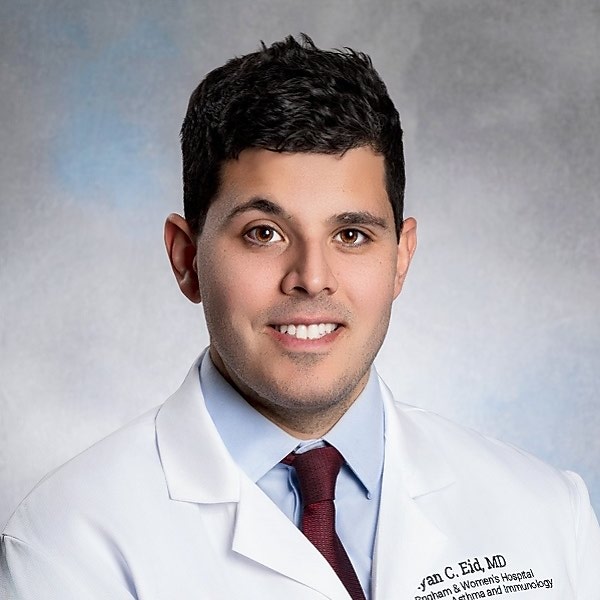
Dr. Ryan C. Eid is an allergy and immunology physician with Mass General Brigham in Duxbury, Massachusetts. His profile supports patients searching for local evaluation of allergic rhinitis, asthma, hives, food allergy concerns, medication allergies, immune-related symptoms, and allergy testing on the South Shore.
Dr. Ryan Israelsen is an allergy and immunology physician in Medford, Oregon, with Allergy and Asthma Center of Southern Oregon. Board certified in pediatrics and internal medicine, he treats children and adults with asthma, food allergies, drug allergies, allergic rhinitis, eczema, hives, and immune system concerns. Southern Oregon patients searching for an allergist in Medford can see Dr. Israelsen for evidence-based allergy testing, asthma treatment, and immunology care.
Dr. Ryan Kauffman is an otolaryngology physician at Northwest ENT and Allergy Center in Canton, GA, with a focus on allergy care, nasal surgery, sinus disease, ear care and pediatric ENT. Patients looking for allergy-related ENT evaluation in Cherokee County can use this profile to find care for nasal allergy symptoms, chronic sinus problems and related upper-airway concerns.
Dr. Ryan Steele is a board-certified allergist-immunologist and internist with Yale Medicine in North Haven, Connecticut. He treats asthma, allergic rhinitis, eczema, contact dermatitis, hives, drug allergy concerns, and other allergic and immunologic conditions.
Dr. Ryszard T. Dworski is a Vanderbilt Health physician board certified in allergy and immunology, pulmonary disease, critical care medicine, and internal medicine. At the Nashville Asthma, Sinus & Allergy Program, he treats asthma, NSAID allergy, allergy/immunology concerns, and complex pulmonary-allergy conditions.
Allergists are physicians trained to diagnose and manage allergic disease, asthma, eczema, hives, medication reactions, immune concerns, and food allergy risk. Use the directory to compare nearby physicians, but confirm insurance coverage, referral requirements, and testing availability with the office.
What is the difference between an allergist and an ENT?
An allergist focuses on immune-system causes of symptoms, allergy testing, asthma care, immunotherapy, and reactions to foods, medicines, insects, pets, pollen, and mold. An ENT focuses on surgical and structural conditions of the ear, nose, throat, sinuses, tonsils, voice, and airway. Many patients benefit from both: an ENT may evaluate chronic sinus blockage, while an allergist identifies triggers that drive inflammation or asthma flares.
What should you expect during your first allergy test?
Most first visits start with a symptom history, medication review, exposure review, and focused physical exam. If skin testing is appropriate, small amounts of common allergens are placed on or under the skin and checked for a controlled reaction. Some patients need blood testing instead, especially when skin testing is not safe or medicines cannot be paused.
How should you prepare your child for pediatric allergy testing?
Ask the clinic which antihistamines or sleep aids should be stopped before the appointment, bring a list of reactions and foods or environments involved, and pack snacks, comfort items, and past test results. Tell children that testing may feel itchy or briefly uncomfortable but should not feel like a vaccine shot.