
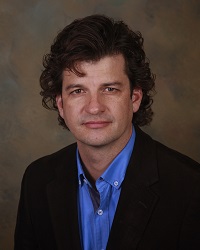
Dr. Anlin Xu
Good Samaritan Hospital-San Jose
Check today's pollen count by city in California. Explore local allergy forecasts, monitor common seasonal allergens, and use city-level trends to plan around high pollen days.
Allergy Ava organizes statewide and local pollen information so you can compare conditions, anticipate seasonal flare-ups, and find relevant allergy forecast pages faster.
Pollen levels in California can vary by city, weather, vegetation, and season. Choose a local forecast below to see the current allergy index, main allergen, and 5-day outlook for cities including Los Angeles, San Francisco, San Diego, Sacramento, San Jose, Long Beach.
Loading city data
Local allergy care
Use today's pollen forecast alongside nearby allergy and immunology profiles when symptoms need clinical follow-up, testing, or long-term treatment planning.
Good Samaritan Hospital-San Jose

Allergy Institute

Latitude Food Allergy Care

Kaiser Permanente San Jose Medical Offices
Rady Children's Specialists of San Diego

UCLA Health
Showing 6 of 162 published allergist profiles in this area.
California allergy sufferers can use this page to monitor pollen trends and find relevant city forecasts when available. Pollen levels vary by season, with tree pollen often peaking in spring, grass pollen becoming more active in late spring and summer, and weed pollen, especially ragweed, remaining a concern in late summer and fall.
Use Allergy Ava's city-level forecasts to plan outdoor activities, manage medication timing, and stay informed about the allergens most prevalent in your area. Our data is updated regularly to give you the most accurate picture of current conditions.
Comparing nearby states can help you understand regional allergy shifts, seasonal pollen timing, and conditions that may affect travel or outdoor plans.
California allergy conditions vary sharply between coastal, inland, and valley regions. Someone searching for a California pollen forecast may be comparing Los Angeles, San Diego, Sacramento, San Jose, or San Francisco because each area has different vegetation, moisture patterns, and seasonal timing.
Tree pollen may rise in spring, grasses can become more active in late spring and early summer, and dry inland conditions may extend irritation for sensitive allergy sufferers. Checking California pollen counts by city helps account for regional microclimates rather than relying on one statewide pattern.
California has strong microclimates. A cool marine layer in San Francisco or San Diego, valley heat in Fresno or Sacramento, and basin wind around Los Angeles can all change which pollen is airborne and how irritating the day feels.
Southern California can see tree pollen build in late winter and early spring, especially after warm stretches. Oak, olive, mulberry, ash, sycamore, cedar, and ornamental landscape trees can all contribute depending on the neighborhood.
Sacramento and Fresno sit in the Central Valley, where warmer inland air, agriculture, grasses, disturbed soil, and valley air stagnation can produce a more inland pollen pattern than coastal cities with fog or ocean breezes.
It can. Rain may briefly clear pollen from the air, but a wet winter or spring can also support more plant growth. When conditions turn warm, dry, or windy afterward, grasses, weeds, and mold-related irritation may become more noticeable.
Today's statewide signal
California pollen conditions can change dramatically between coastal fog zones, warm inland valleys, irrigated neighborhoods, and dry foothill or desert edges. Compare Los Angeles, San Francisco, San Diego, Sacramento, San Jose, Long Beach, Oakland, and Fresno for city-level pollen, weather context, the leading allergen, and short-term trend signals before planning outdoor time.
Data updates regularly to reflect current conditions across California cities.
Highest city index now
Sacramento
Ragweed · Moderate
3
Live city comparison
Sort California cities by pollen index, temperature, or trend. Select a city for its full local forecast.
| Main allergen | Weather context | ||||
|---|---|---|---|---|---|
| Sacramento | 3Moderate | Ragweed | Stable Tomorrow looks similar, near moderate conditions. | 68°F | Partly sunny Watch ragweed levels and limit long outdoor exposure during peak hours. |
| Fresno | 2Low | Ragweed | Stable Tomorrow looks similar, near low conditions. | 68°F | Partly sunny Watch ragweed levels and limit long outdoor exposure during peak hours. |
| Los Angeles | 0None | None | Stable Tomorrow looks similar, near none conditions. | 68°F | Partly sunny Outdoor pollen exposure looks limited for most people today. |
| San Francisco | 0None | None | Stable Tomorrow looks similar, near none conditions. | 68°F | Chance of showers Outdoor pollen exposure looks limited for most people today. |
| San Diego | 0None | None | Stable Tomorrow looks similar, near none conditions. | 68°F | Partly sunny Outdoor pollen exposure looks limited for most people today. |
| San Jose | 0None | None | Stable Tomorrow looks similar, near none conditions. | 68°F | Chance of showers Breezy conditions may lift pollen from trees, grasses, weeds, and surfaces. |
| Long Beach | 0None | None | Stable Tomorrow looks similar, near none conditions. | 68°F | Humid Outdoor pollen exposure looks limited for most people today. |
| Oakland | 0None | None | Stable Tomorrow looks similar, near none conditions. | 68°F | Partly sunny Outdoor pollen exposure looks limited for most people today. |
| Aliso Viejo | 0None | None | Stable Tomorrow looks similar, near none conditions. | 68°F | Humid Outdoor pollen exposure looks limited for most people today. |
Ragweed is the main allergen
Pollen index
3
Trend
Stable
Watch ragweed levels and limit long outdoor exposure during peak hours.
Ragweed is the main allergen
Pollen index
2
Trend
Stable
Watch ragweed levels and limit long outdoor exposure during peak hours.
None is the main allergen
Pollen index
0
Trend
Stable
Outdoor pollen exposure looks limited for most people today.
None is the main allergen
Pollen index
0
Trend
Stable
Outdoor pollen exposure looks limited for most people today.
None is the main allergen
Pollen index
0
Trend
Stable
Outdoor pollen exposure looks limited for most people today.
None is the main allergen
Pollen index
0
Trend
Stable
Breezy conditions may lift pollen from trees, grasses, weeds, and surfaces.
None is the main allergen
Pollen index
0
Trend
Stable
Outdoor pollen exposure looks limited for most people today.
None is the main allergen
Pollen index
0
Trend
Stable
Outdoor pollen exposure looks limited for most people today.
None is the main allergen
Pollen index
0
Trend
Stable
Outdoor pollen exposure looks limited for most people today.
Regional allergy forecast
Southern California blends coastal air, basin heat, ornamental trees, lawns, canyons, and dry offshore wind events. Tree pollen can start early, while grass and weed exposure may linger because the growing season is long.
Bay Area pollen can split sharply between cool marine neighborhoods, warmer South Bay corridors, hillside oak cover, and inland valleys. Fog, bay breezes, and microclimates can make nearby cities feel different on the same day.
The Central Valley has a different allergy profile from the coast, with agricultural edges, irrigated landscapes, dry summer heat, trapped valley air, and roadside weeds all shaping daily pollen exposure.
State-specific pollen calendar
February to May
Oak, cedar, juniper, pine, mulberry, olive, ash, sycamore, and other wind-pollinated trees can start earlier in warmer Southern California and peak later around cooler northern or coastal microclimates.
April to August
Bermuda, rye, bluegrass, wild grasses, parks, lawns, and irrigated landscapes can keep grass pollen active from late spring into summer, especially in inland valleys and warmer metro areas.
August to November
Ragweed, sagebrush, pigweed or amaranth, Russian thistle, and other dryland weeds can drive late-season symptoms around roadsides, open lots, foothills, agricultural edges, and disturbed ground.
December to January
Outdoor pollen is often lower after cooler weather and winter storms, but Southern California can still see pockets of activity. Mold, dust mites, wildfire smoke, and indoor allergens may remain relevant.
Weather-pollen correlation
Wind can disperse pollen, rain can temporarily wash particles down, and humidity can increase mold irritation. The city table combines pollen and weather signals so users can compare outdoor risk without opening every city page.