Search allergists by provider name, practice, city, state, ZIP, specialty, and allergy services. Compare local care options alongside AllergyAva pollen forecasts.
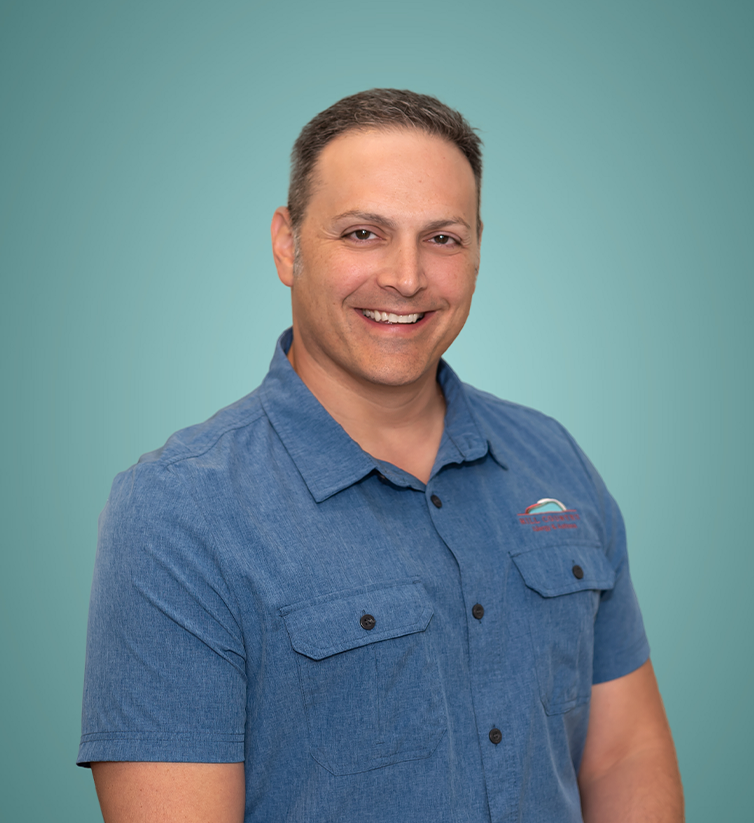
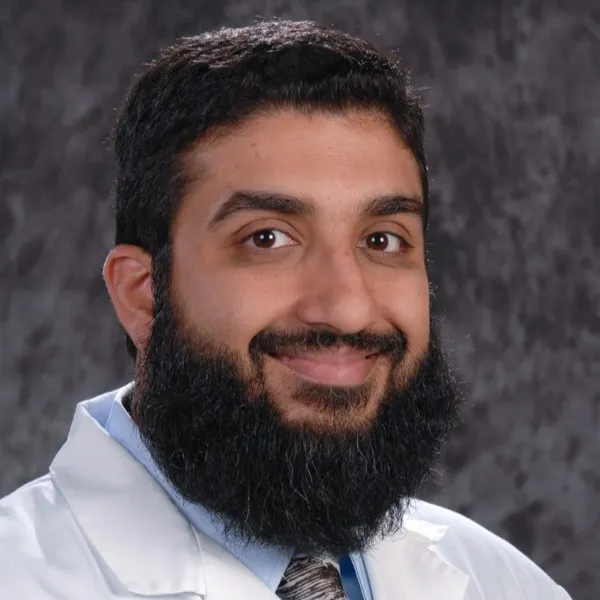
Dr. Amin G. Mery is a Lakeway and Austin-area allergist with Hill Country Allergy & Asthma who treats adults and children with asthma, allergic rhinitis, eczema, food allergy, sinus symptoms and immune concerns. Double board certified in Allergy & Immunology and Internal Medicine, he completed allergy-immunology fellowship training at Brigham and Women’s Hospital/Harvard and speaks Spanish.
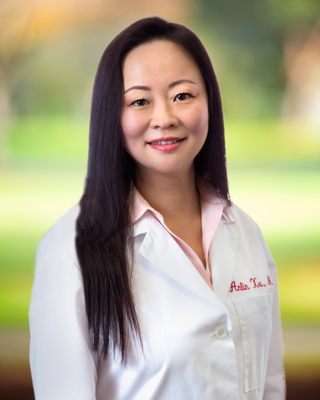
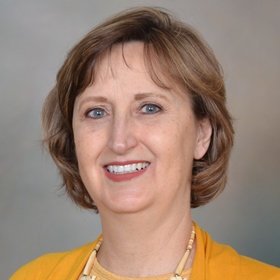
Dr. Anlin Xu is an American Board of Allergy and Immunology-certified allergist based in San Jose, California. She provides care for both children and adults with allergy and asthma concerns, including seasonal allergies, food allergies, eczema, hives, asthma, and allergic contact dermatitis. Dr. Xu also speaks Mandarin and Shanghainese, helping her serve a diverse patient community throughout the San Francisco Bay Area.
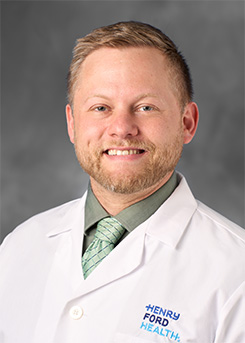
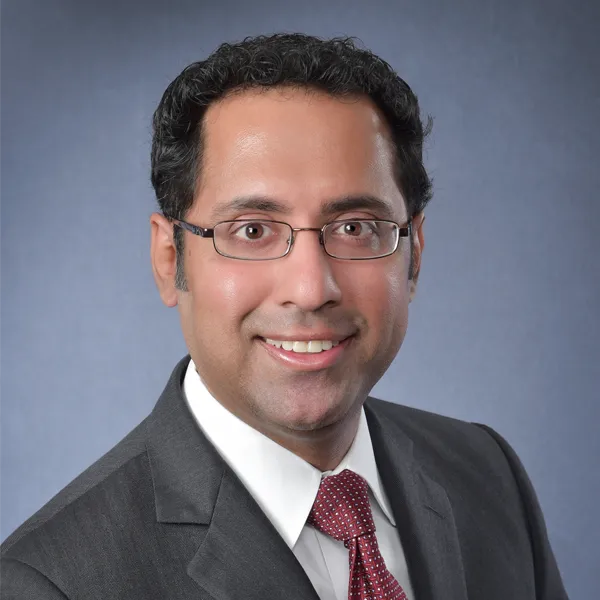
Dr. David T. Coleman is a Henry Ford Health allergy and immunology specialist serving patients in Novi, Dearborn, Detroit, and Sterling Heights. He treats allergic rhinitis, asthma, eczema, food allergy, eosinophilic esophagitis, medication allergy, sinus care, and immune-related conditions.
Dr. Natalie Beaven Miller is a board-certified Louisville allergist at Family Allergy & Asthma, caring for children and adults with asthma, seasonal allergies, food allergy, eczema, hives and related immune conditions. Her background in pediatrics and fellowship training at Washington University in St. Louis support family-centered allergy and immunology care.
Dr. A.M. Aminian is an allergy and immunology specialist at Allergy Institute in Fresno, CA. He provides long-standing Central Valley care for asthma, allergic rhinitis, sinus problems, eczema, hives, food allergies, environmental allergies, and other immune-related conditions.
Dr. Aaron T. Donnell is a board-certified allergist and pediatrician with Chicago Family Asthma & Allergy in Lincoln Park. He cares for children and adults with food allergy, asthma, nasal allergies, eczema, insect sting allergy, and other allergy and immunology concerns.
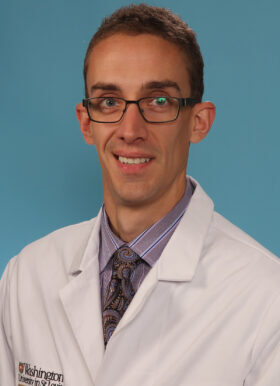
Dr. Aaron Ver Heul is a WashU Medicine allergy and immunology physician-scientist in St. Louis. His work focuses on allergic inflammation, itch, neuroimmune pathways and immune mechanisms that can shape chronic allergic disease. This updated profile replaces a mismatched image and positions him accurately for patients and referring clinicians looking for Washington University allergy and immunology expertise.
Dr. Aarti Pandya is a Children's Mercy Kansas City allergist and immunologist with a focus on pediatric food allergy care. Families searching for help with food allergies, anaphylaxis risk, asthma, environmental allergies, eczema, and immune-related symptoms can use this profile to find specialty care in Kansas City.
Dr. Aasia Ghazi is a Plano allergist and immunologist at DFW Asthma & Allergy Center. Double board-certified in allergy/immunology and internal medicine, she provides adult and pediatric allergy care for asthma, food allergies, angioedema, mast cell disorders, seasonal allergies, chronic hives, eczema, and immune-related concerns.
Dr. Abeer Siddiqi is an Allergy & ENT Associates allergist-immunologist serving The Woodlands area. She evaluates asthma, environmental allergies, food allergies, hives, eczema, sinus-related allergy symptoms, and other allergy or immune system concerns.
Dr. Abhilash Vaishnav is an Aurora Allergy physician in De Pere, Wisconsin, specialising in allergy and immunology. He treats asthma, allergic rhinitis, sinus problems, hives, nonallergic rhinitis, and other immune-related conditions.
Dr. Adam Price is an allergist and immunologist at Little Rock Allergy & Asthma Clinic in Little Rock, AR. He provides care for both children and adults with asthma, allergic rhinitis, food and drug allergy concerns, eczema, immune system questions, and allergy symptoms that need testing or ongoing treatment.
Dr. Adela Taylor is a Mayo Clinic Health System allergist in Eau Claire, Wisconsin, providing immunology, allergy, and asthma care. Her profile is useful for patients looking for help with seasonal allergies, asthma, allergic reactions, medication allergy questions, insect sting allergy, and pediatric or adolescent allergy concerns. Contact Mayo Clinic Health System directly to verify scheduling details, referral requirements, and the correct clinic location for allergy testing or follow-up care.
Dr. Adil Khan is an allergist-immunologist with Ochsner LSU Health in Shreveport, Louisiana. He sees patients for allergy and immunology care at Ochsner LSU Health locations including the Asthma, Allergy, & ENT Center on Ashley Ridge Boulevard.
Dr. Adil Zahiruddin is board certified in allergy and immunology and internal medicine. At Allergy & ENT Associates in Cypress and Memorial/Town & Country, he treats asthma, sinusitis, hay fever, food allergies, angioedema, anaphylaxis, immunodeficiency, eczema, hives, and contact dermatitis.
Allergists are physicians trained to diagnose and manage allergic disease, asthma, eczema, hives, medication reactions, immune concerns, and food allergy risk. Use the directory to compare nearby physicians, but confirm insurance coverage, referral requirements, and testing availability with the office.
What is the difference between an allergist and an ENT?
An allergist focuses on immune-system causes of symptoms, allergy testing, asthma care, immunotherapy, and reactions to foods, medicines, insects, pets, pollen, and mold. An ENT focuses on surgical and structural conditions of the ear, nose, throat, sinuses, tonsils, voice, and airway. Many patients benefit from both: an ENT may evaluate chronic sinus blockage, while an allergist identifies triggers that drive inflammation or asthma flares.
What should you expect during your first allergy test?
Most first visits start with a symptom history, medication review, exposure review, and focused physical exam. If skin testing is appropriate, small amounts of common allergens are placed on or under the skin and checked for a controlled reaction. Some patients need blood testing instead, especially when skin testing is not safe or medicines cannot be paused.
How should you prepare your child for pediatric allergy testing?
Ask the clinic which antihistamines or sleep aids should be stopped before the appointment, bring a list of reactions and foods or environments involved, and pack snacks, comfort items, and past test results. Tell children that testing may feel itchy or briefly uncomfortable but should not feel like a vaccine shot.