
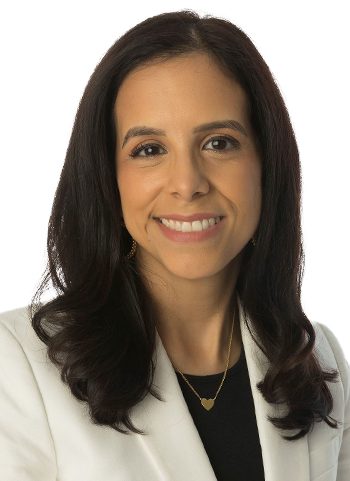
Dr. Adriana M. Bonansea-Frances
Florida Center For Allergy & Asthma Care
Check today's pollen count by city in Florida. Explore local allergy forecasts, monitor common seasonal allergens, and use city-level trends to plan around high pollen days.
Allergy Ava organizes statewide and local pollen information so you can compare conditions, anticipate seasonal flare-ups, and find relevant allergy forecast pages faster.
Pollen levels in Florida can vary by city, weather, vegetation, and season. Choose a local forecast below to see the current allergy index, main allergen, and 5-day outlook for cities including Miami, Orlando, Tampa, Jacksonville, St. Petersburg, Port St. Lucie.
Loading city data
Local allergy care
Use today's pollen forecast alongside nearby allergy and immunology profiles when symptoms need clinical follow-up, testing, or long-term treatment planning.
Florida Center For Allergy & Asthma Care

Sarasota Memorial Hospital
Asthma & Allergy Associates of Florida

South Florida Food Allergy Center

Allergist

Allergist
Showing 6 of 110 published allergist profiles in this area.
Florida allergy sufferers can use this page to monitor pollen trends and find relevant city forecasts when available. Pollen levels vary by season, with tree pollen often peaking in spring, grass pollen becoming more active in late spring and summer, and weed pollen, especially ragweed, remaining a concern in late summer and fall.
Use Allergy Ava's city-level forecasts to plan outdoor activities, manage medication timing, and stay informed about the allergens most prevalent in your area. Our data is updated regularly to give you the most accurate picture of current conditions.
Comparing nearby states can help you understand regional allergy shifts, seasonal pollen timing, and conditions that may affect travel or outdoor plans.
Florida often has a longer allergy season than colder states because warm temperatures can allow allergenic plants to stay active for more of the year. People looking for a Florida pollen forecast are often trying to understand how conditions differ between South Florida, Central Florida, Tampa Bay, and North Florida.
Oak, pine, grasses, and weeds may all contribute to changing pollen pressure depending on the season and recent weather. Humidity, storms, and coastal airflow can also influence how airborne allergens behave, making local pollen monitoring important for residents and travelers alike.
Florida’s mild winters and long growing season allow tree, grass, and weed pollen periods to overlap. Bermuda grass can pollinate throughout the year in subtropical areas, while mold, dust mites, and other indoor allergens do not follow a short seasonal calendar.
Not necessarily. The conspicuous yellow coating is often pine pollen, which UF/IFAS classifies as low-allergenic. Oak, cedar, wax myrtle, grass, or weed pollen may be airborne at the same time and can be more important allergy triggers.
Jacksonville experiences cooler winters and larger seasonal temperature changes, so flowering responds more noticeably to spring warmups. Miami’s subtropical climate supports a longer grass season and allows some plants to release pollen during months when North Florida is quieter.
Steady rain can temporarily remove pollen from the air. After surfaces dry, pollen release may resume, while the added moisture supports mold growth on vegetation, soil, and damp materials. This can cause the dominant outdoor allergen to change after a wet period.
Today's statewide signal
Florida does not have one short, predictable allergy season. Oak pollen can rise while much of the country is still in winter, subtropical grasses remain active for months, and moisture supports mold throughout the year. Compare local pollen and weather from South Florida to Jacksonville before making outdoor plans.
Data updates regularly to reflect current conditions across Florida cities.
Highest city index now
Hialeah
Ragweed · High
4
Live city comparison
Sort Florida cities by pollen index, temperature, or trend. Select a city for its full local forecast.
| Main allergen | Weather context | ||||
|---|---|---|---|---|---|
| Hialeah | 4High | Ragweed | Stable Tomorrow looks similar, near high conditions. | 64°F | Partly sunny Watch ragweed levels and limit long outdoor exposure during peak hours. |
| Fort Lauderdale | 4High | Ragweed | Stable Tomorrow looks similar, near high conditions. | 64°F | Chance of showers Watch ragweed levels and limit long outdoor exposure during peak hours. |
| Miami | 3Moderate | Ragweed | Stable Tomorrow looks similar, near moderate conditions. | 64°F | Partly sunny Watch ragweed levels and limit long outdoor exposure during peak hours. |
| Orlando | 3Moderate | Ragweed | Falling Forecast eases toward very low conditions tomorrow. | 63°F | Breezy Breezy conditions may lift pollen from trees, grasses, weeds, and surfaces. |
| Jacksonville | 3Moderate | Ragweed | Falling Forecast eases toward low conditions tomorrow. | 63°F | Humid Humid air may keep ragweed and outdoor mold irritation active. |
| Port St. Lucie | 3Moderate | Ragweed | Stable Tomorrow looks similar, near moderate conditions. | 63°F | Partly sunny Watch ragweed levels and limit long outdoor exposure during peak hours. |
| Tampa | 2Low | Ragweed | Stable Tomorrow looks similar, near low conditions. | 64°F | Humid Breezy conditions may lift pollen from trees, grasses, weeds, and surfaces. |
| St. Petersburg | 2Low | Ragweed | Stable Tomorrow looks similar, near low conditions. | 64°F | Humid Watch ragweed levels and limit long outdoor exposure during peak hours. |
Ragweed is the main allergen
Pollen index
4
Trend
Stable
Watch ragweed levels and limit long outdoor exposure during peak hours.
Ragweed is the main allergen
Pollen index
4
Trend
Stable
Watch ragweed levels and limit long outdoor exposure during peak hours.
Ragweed is the main allergen
Pollen index
3
Trend
Stable
Watch ragweed levels and limit long outdoor exposure during peak hours.
Ragweed is the main allergen
Pollen index
3
Trend
Falling
Breezy conditions may lift pollen from trees, grasses, weeds, and surfaces.
Ragweed is the main allergen
Pollen index
3
Trend
Falling
Humid air may keep ragweed and outdoor mold irritation active.
Ragweed is the main allergen
Pollen index
3
Trend
Stable
Watch ragweed levels and limit long outdoor exposure during peak hours.
Ragweed is the main allergen
Pollen index
2
Trend
Stable
Breezy conditions may lift pollen from trees, grasses, weeds, and surfaces.
Ragweed is the main allergen
Pollen index
2
Trend
Stable
Watch ragweed levels and limit long outdoor exposure during peak hours.
Regional allergy forecast
Warm winters and subtropical landscaping give this region an extended pollen season. Oaks contribute heavily during the cooler months, while Bermuda grass and allergenic Australian pine can remain relevant in the warmer urban and coastal landscape.
Orlando’s inland warmth contrasts with the coastal breezes around Tampa and St. Petersburg, so pollen can rise or clear at different times. Oak dominates much of the early season before bahiagrass, other grasses, and weeds become more prominent.
Jacksonville has cooler winter mornings and greater seasonal variation than South Florida. Cedar and oak pollen can begin early, followed by a long grass season and ragweed during late summer and fall.
State-specific pollen calendar
January to May
Florida’s tree season can begin during winter. Oak is a leading allergen, with cedar, cypress, wax myrtle, and Australian pine also contributing by region.
Spring through fall
Bahiagrass is widespread across Florida, while Bermuda grass may release pollen for much of the year in subtropical South Florida.
Late summer through fall
Ragweed is the most important weed allergen, but Florida’s mild climate allows some weed pollen to appear outside the traditional fall season.
Warm, damp months
Moisture supports mold on soil, plants, and decaying material. Mold spores are present year-round and may remain troublesome when pollen levels fall.
Weather-pollen correlation
Wind can disperse pollen, rain can temporarily wash particles down, and humidity can increase mold irritation. The city table combines pollen and weather signals so users can compare outdoor risk without opening every city page.