Search allergists by provider name, practice, city, state, ZIP, specialty, and allergy services. Compare local care options alongside AllergyAva pollen forecasts.
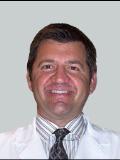
Dr. Mark Kosinski is an allergy and immunology physician with St. Joseph’s Health in Paterson, NJ. He provides care for patients with allergic rhinitis, asthma, food or medication allergy concerns, hives, eczema, and other immune-related conditions through the St. Joseph’s allergy program.
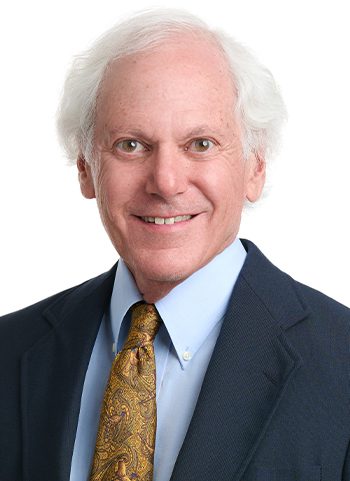
Mark La Shell, MD, provides allergy, asthma and immunology care with Jefferson City Medical Group in Jefferson City, Missouri. He helps patients manage environmental allergies, asthma, hives, eczema, sinus symptoms, food allergy concerns and immune-system issues. This profile is optimized for patients searching for an allergist near Jefferson City, Columbia and central Missouri.
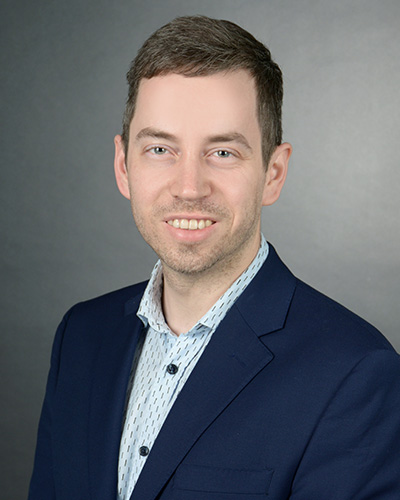
Dr. Mark Lazarovich is a South Burlington allergist and immunologist serving Vermont patients with asthma, allergic rhinitis, hives, sinus-related allergy symptoms, and immune concerns. At Timber Lane Allergy & Asthma Associates, he supports diagnostic evaluation, allergy testing, immunotherapy planning, and long-term allergy management for families across Chittenden County.
Dr. Mark Litchman is an allergy and immunology physician with Fairfield County Allergy, Asthma & Immunology Associates in Norwalk, Connecticut. He helps patients manage asthma, seasonal allergies, sinus symptoms, hives, immune concerns, and related allergic diseases.
Dr. Mark Moss is a UW Health allergist-immunologist in Madison and a clinical researcher in allergy and immunology. He cares for patients with asthma, rhinitis, atopic dermatitis, and related allergic conditions while also contributing to allergy research programs.
Mark Nordness, MD, is an allergy and immunology physician with ProHealth Medical Group in Waukesha County, Wisconsin. He sees patients for asthma, allergic rhinitis, food allergy concerns, hives, eczema, and immune-related conditions.
Dr. Mark Posner is a board-certified allergist and clinical immunologist with Allergy & Asthma Specialists in the Philadelphia area. He sees patients of all ages for asthma, seasonal allergies, environmental allergies, and immune-related concerns. His current office network includes Blue Bell, King of Prussia, Pottstown, and Collegeville.
Dr. Mark R. Windt is an allergist and immunologist at the Center for Asthma, Allergy and Respiratory Disease in North Hampton, New Hampshire. He serves Seacoast patients needing care for asthma, allergies, respiratory symptoms, pollen and mold triggers, food reactions, hives, and immunology concerns.
Dr. Mark Schuyler is an allergy and immunology physician and University of New Mexico faculty member in Albuquerque. He is associated with UNM allergy and immunology and is known for expertise in New Mexico allergy triggers, asthma, allergic rhinitis, and immune-system conditions.
Dr. Mark E. Stevens is an allergy and immunology physician at Intermountain Health’s River Road Clinic in Saint George. He provides allergy testing, asthma evaluation, immunotherapy, and care for environmental, food, and contact allergies in southern Utah.
Dr. Mark Vandewalker is a board-certified allergist and immunologist with Family Allergy & Asthma in Columbia, Missouri. He provides allergy testing, asthma evaluation, immunotherapy, and treatment for allergic rhinitis, food allergy issues, hives, eczema, and complex allergic disease.
Dr. Mark Wenger is an allergist and immunologist with Allergy Partners of Fredericksburg in Virginia. His profile helps patients seeking care for allergic rhinitis, asthma, sinusitis, grass and pollen allergies, hives, food allergy concerns, and allergy testing in the Fredericksburg area.
Dr. Mark P. Young is a board-certified allergy and immunology physician with Asthma & Allergy Associates of Florida in Kendall. He cares for children and adults with asthma, allergic rhinitis, seasonal allergies, food allergy concerns, eczema, hives, and other allergy-related conditions. His Kendall office offers Miami-Dade patients access to allergy testing, immunotherapy, and long-term allergy and asthma management.
Dr. Martha Hartz is a pediatric allergist-immunologist with Mayo Clinic Rochester. Her profile is relevant for families seeking help with childhood asthma, food allergy and pediatric allergy evaluations in Rochester, Minnesota.
Dr. Martin Caha is an allergy and immunology physician in San Diego with Rady Children’s Specialists of San Diego. He completed pediatric residency and allergy/immunology fellowship training, giving him experience caring for children and adults with allergic rhinitis, asthma, eczema, food allergy, hives, medication reactions, and immune-related concerns. His profile helps patients find comprehensive allergy care in San Diego.
Allergists are physicians trained to diagnose and manage allergic disease, asthma, eczema, hives, medication reactions, immune concerns, and food allergy risk. Use the directory to compare nearby physicians, but confirm insurance coverage, referral requirements, and testing availability with the office.
What is the difference between an allergist and an ENT?
An allergist focuses on immune-system causes of symptoms, allergy testing, asthma care, immunotherapy, and reactions to foods, medicines, insects, pets, pollen, and mold. An ENT focuses on surgical and structural conditions of the ear, nose, throat, sinuses, tonsils, voice, and airway. Many patients benefit from both: an ENT may evaluate chronic sinus blockage, while an allergist identifies triggers that drive inflammation or asthma flares.
What should you expect during your first allergy test?
Most first visits start with a symptom history, medication review, exposure review, and focused physical exam. If skin testing is appropriate, small amounts of common allergens are placed on or under the skin and checked for a controlled reaction. Some patients need blood testing instead, especially when skin testing is not safe or medicines cannot be paused.
How should you prepare your child for pediatric allergy testing?
Ask the clinic which antihistamines or sleep aids should be stopped before the appointment, bring a list of reactions and foods or environments involved, and pack snacks, comfort items, and past test results. Tell children that testing may feel itchy or briefly uncomfortable but should not feel like a vaccine shot.