Search allergists by provider name, practice, city, state, ZIP, specialty, and allergy services. Compare local care options alongside AllergyAva pollen forecasts.
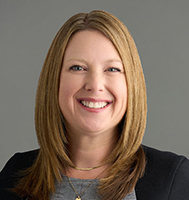
Dr. Katherine Gonzaga is a UW Health Kids allergist and immunologist serving families in Madison, Wisconsin. She treats children with food allergies, medication allergies, environmental allergies, eczema, asthma, hay fever, and chronic sinus symptoms. Her pediatric allergy care focuses on helping families identify triggers and manage long-term allergic conditions.
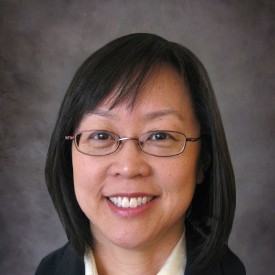
Dr. Katherine Szema is an adult and pediatric allergy, asthma, and immunology physician with ENT and Allergy Associates in Shrewsbury, New Jersey. She helps children and adults manage asthma, environmental allergies, food allergy concerns, hives, eczema, and other allergic conditions.
Dr. Kathleen Dass is an Oak Park, MI allergist and immunologist with Michigan Allergy, Asthma & Immunology Center. Her profile helps patients find local care for allergies, asthma and immune disorders.
Kathleen Grisanti, MD, provides pediatric, rheumatology and allergy-immunology care with UAB Medicine in Birmingham, Alabama. Her profile helps patients and families find support for allergy symptoms, asthma, eczema, hives, immune concerns and related inflammatory conditions. This listing is optimized for people searching for a UAB allergist-immunologist in Birmingham and Gardendale.
Kathleen Tajiri, MD, is an allergy and immunology physician with North Bay Allergy and Asthma Associates in Napa. She provides pediatric and adult allergy care, including asthma, seasonal allergies, food allergy concerns, eczema, and hives.
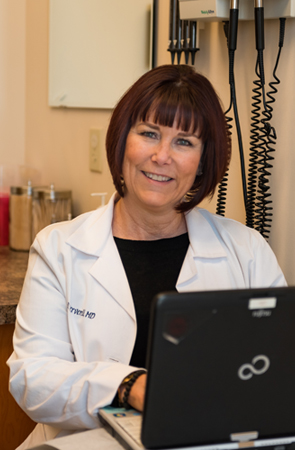
Dr. Kathleen Ververeli is a board-certified allergy, clinical immunology, and pediatrics physician at Center for Allergy and Asthma Care in Allentown, PA. She cares for children and adults with asthma, food allergies, allergic rhinitis, eczema, hives, and other allergic or immunologic disorders.
Kathryn Peak, PA-C, is part of the Know Allergy team in Portland, Oregon. She supports patients with allergy and asthma evaluations, follow-up visits, treatment education, and practical care for recurring allergic symptoms.
Katie Parker, APRN, is part of the Rutland Regional ENT & Audiology team. She helps patients access local ENT care for nasal congestion, rhinitis-like symptoms, sinus pressure, ear and throat complaints, and allergy-adjacent issues that may require evaluation beyond primary care.
Dr. Kelli W. Williams is a pediatric allergy and immunology specialist at MUSC Children’s Health Immunology at Summey Medical Pavilion in North Charleston, South Carolina. She evaluates allergic rhinitis, asthma, food allergies, eczema, drug allergy, hives, angioedema, recurrent infections, and possible immune deficiency. Her NIH fellowship background and MUSC leadership role support advanced care for children, families, and patients with complex immune concerns.
Dr. Kelly Cowan is a pediatric pulmonologist with UVM Health in Burlington. Her profile is included for allergy-adjacent asthma care because many families searching for allergy help also need pediatric support for asthma, wheezing, chronic cough, and respiratory symptoms that can be worsened by environmental triggers.
Pediatric Asthma CarePediatric PulmonologyRespiratory CareAllergy-Adjacent Care
Dr. Kelly Newhall is a Chicago allergist and immunologist with Chicago Family Asthma & Allergy and a Lurie Children’s affiliation. She provides pediatric and adult allergy care for asthma, food allergies, environmental allergies, eczema, hives, and immunotherapy needs in Lincoln Park.
Dr. Kelly Marie O'Shea is a University of Michigan Health pediatric allergist-immunologist at the Domino's Farms Allergy Clinic. Her work centers on food allergy diagnosis, oral immunotherapy, allergic rhinitis, anaphylaxis, asthma, eczema, and hives in children, adolescents, and young adults.
Dr. Kelsey Coyle is a Family Allergy & Asthma physician who sees patients across central and southeastern Kentucky. From the Lexington area, she helps patients manage asthma, allergic rhinitis, eczema, food allergy concerns, hives, and allergy-shot treatment plans, with additional offices including Frankfort, London, and Nicholasville.
Dr. Kelsey Graven is a board-certified pediatric and adult allergist-immunologist with Raleigh Capitol Ear, Nose, Throat & Allergy. She treats environmental allergies, food allergy, asthma, eczema, hives, recurrent infections, and immune-system concerns for patients of all ages.
Dr. Kelsey Ige is a Bay Area allergist and immunologist with Allergy & Asthma Medical Group, seeing patients in Brentwood and Walnut Creek. She has special interests in drug allergy and pediatric food allergy.
Allergists are physicians trained to diagnose and manage allergic disease, asthma, eczema, hives, medication reactions, immune concerns, and food allergy risk. Use the directory to compare nearby physicians, but confirm insurance coverage, referral requirements, and testing availability with the office.
What is the difference between an allergist and an ENT?
An allergist focuses on immune-system causes of symptoms, allergy testing, asthma care, immunotherapy, and reactions to foods, medicines, insects, pets, pollen, and mold. An ENT focuses on surgical and structural conditions of the ear, nose, throat, sinuses, tonsils, voice, and airway. Many patients benefit from both: an ENT may evaluate chronic sinus blockage, while an allergist identifies triggers that drive inflammation or asthma flares.
What should you expect during your first allergy test?
Most first visits start with a symptom history, medication review, exposure review, and focused physical exam. If skin testing is appropriate, small amounts of common allergens are placed on or under the skin and checked for a controlled reaction. Some patients need blood testing instead, especially when skin testing is not safe or medicines cannot be paused.
How should you prepare your child for pediatric allergy testing?
Ask the clinic which antihistamines or sleep aids should be stopped before the appointment, bring a list of reactions and foods or environments involved, and pack snacks, comfort items, and past test results. Tell children that testing may feel itchy or briefly uncomfortable but should not feel like a vaccine shot.