Search allergists by provider name, practice, city, state, ZIP, specialty, and allergy services. Compare local care options alongside AllergyAva pollen forecasts.
Dr. John Byrne is a board-certified allergist and clinical immunologist in Riverhead, NY, caring for patients with seasonal allergies, chronic sinus symptoms, asthma concerns, skin allergy, and immune-related conditions. Through East End Allergy and Asthma Care, he provides allergy evaluation, testing, and personalized treatment plans for adults and families across Long Island’s East End.
Dr. John Carlson is an Ochsner Health allergist and pediatric allergy specialist in New Orleans, Louisiana. Board-certified in allergy and immunology, he helps patients with pediatric and adult allergy concerns, including asthma, environmental allergies, and immunology-related conditions, through Ochsner’s allergy and immunology program.
Dr. John Dice is STAAMP Allergy’s chief medical officer and an attending allergist-immunologist in San Antonio. He provides adult and pediatric allergy, asthma, and immunology care and brings prior U.S. Air Force allergy/immunology leadership experience to patient care.
Dr. John Hagan is a Mayo Clinic Rochester allergist-immunologist, internist and critical care specialist. He treats complex allergy conditions including chronic hives, anaphylaxis, hay fever, latex allergy, drug allergy, rhinitis and hives with angioedema.
Dr. John Irons is a Bethesda, MD allergist and immunologist at Bethesda Allergy & Asthma Clinic, affiliated with Privia. He provides individualized allergy and asthma care, including evaluation of environmental allergies, immunotherapy planning, pediatric allergy concerns, and practical treatment options tailored to each patient's lifestyle.
Dr. John A. Johnson Jr. is a board-certified allergist leading The Allergy and Asthma Centers of Cape Cod in Hyannis, Massachusetts. He provides care for seasonal allergies, asthma, food allergies, environmental allergies, eczema, hives, and allergy-related breathing concerns. Patients across Cape Cod and the Islands looking for a Hyannis allergist can visit Dr. Johnson for personalized allergy testing, asthma treatment, and long-term symptom relief.
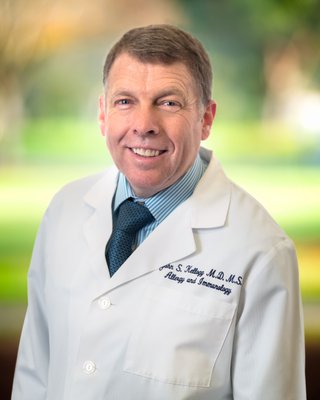
Dr. John Kellogg is an allergy, asthma, and immunology physician at MultiCare Deaconess Hospital. A former Naval Flight Officer, Dr. Kellogg later earned his medical degree from Tulane University and now helps patients address a wide range of allergic, asthmatic, and immune-related health concerns.
Dr. John Kelly is a Madison allergist-immunologist with UW Health and the University of Wisconsin School of Medicine and Public Health. He provides care for allergy, asthma, and immunology concerns and brings additional experience from leadership roles in Wisconsin allergy care.
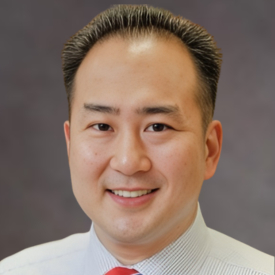
Dr. John Y. Kim is an adult and pediatric allergist-immunologist with ENT & Allergy Associates in Medford, New Jersey. A former Army physician, he brings broad medical training to the evaluation of asthma, seasonal and environmental allergies, food allergy concerns, eczema, hives, allergic rhinitis, and immune-related conditions. His Medford listing is a strong local result for South Jersey families seeking allergy testing and asthma care.
Dr. John Kuryan is an adult and pediatric allergist-immunologist with ENT & Allergy Associates of Pennsylvania. He sees patients in Northeast Philadelphia and nearby Bucks and Montgomery County offices for asthma, allergic rhinitis, eczema, food allergies, hives, and other allergy or immune concerns. His listing is useful for families looking for allergy testing, asthma care, and immunology support in Northeast Philadelphia, Richboro, and Willow Grove.
Dr. John Lewis is a Mayo Clinic Arizona allergist-immunologist and internist in Scottsdale. His clinical interests include asthma attacks, rhinitis and eosinophilia, supporting patients searching for allergy and immunology care in the Phoenix/Scottsdale area.
Dr. John Martinez is a Kansas City physician with The University of Kansas Health System who is board certified in allergy and immunology, internal medicine, and rheumatology. He evaluates patients with allergic disease, asthma, immune concerns, and arthritis-related conditions, bringing combined allergy and rheumatology expertise to children and adults.
Dr. John B. Meiser is a board-certified Frisco allergist-immunologist at Allergy and Asthma Center of Texas. He treats children and adults with asthma, environmental allergies, food allergies, eczema, hives, drug allergies, and immune concerns, bringing fellowship training from National Jewish Medical and Research Center and long-standing experience in North Texas allergy care.
Dr. John N. Kalliel is a Manchester, New Hampshire allergist and immunologist affiliated with Manchester Allergy Inc. Patients can find care for asthma, environmental allergy symptoms, allergic rhinitis, food allergy concerns, hives, eczema, medication allergies, and broader immune-system questions.
John Pulcini, MD, is an allergy and immunology physician with Prisma Health Acadia Allergy and Immunology in Greenville, South Carolina. He provides allergy and asthma evaluations, testing guidance, and treatment planning for common allergic and immune conditions.
Allergists are physicians trained to diagnose and manage allergic disease, asthma, eczema, hives, medication reactions, immune concerns, and food allergy risk. Use the directory to compare nearby physicians, but confirm insurance coverage, referral requirements, and testing availability with the office.
What is the difference between an allergist and an ENT?
An allergist focuses on immune-system causes of symptoms, allergy testing, asthma care, immunotherapy, and reactions to foods, medicines, insects, pets, pollen, and mold. An ENT focuses on surgical and structural conditions of the ear, nose, throat, sinuses, tonsils, voice, and airway. Many patients benefit from both: an ENT may evaluate chronic sinus blockage, while an allergist identifies triggers that drive inflammation or asthma flares.
What should you expect during your first allergy test?
Most first visits start with a symptom history, medication review, exposure review, and focused physical exam. If skin testing is appropriate, small amounts of common allergens are placed on or under the skin and checked for a controlled reaction. Some patients need blood testing instead, especially when skin testing is not safe or medicines cannot be paused.
How should you prepare your child for pediatric allergy testing?
Ask the clinic which antihistamines or sleep aids should be stopped before the appointment, bring a list of reactions and foods or environments involved, and pack snacks, comfort items, and past test results. Tell children that testing may feel itchy or briefly uncomfortable but should not feel like a vaccine shot.