Medical information note
This resource is for general education only and is not a substitute for medical advice, diagnosis, or treatment. Talk with a qualified clinician about severe symptoms, breathing problems, medication questions, symptoms in a child, or concerns about your personal health history.
Cockroach allergy can cause year-round nasal symptoms and worsen asthma when a person who is allergic breathes in particles containing cockroach proteins. You do not have to touch an insect, and exposure can continue after live cockroaches are removed.
An infestation is not a verdict on your housekeeping. Cockroaches occur in many kinds of buildings and neighborhoods. In apartments, shared access routes and unresolved maintenance problems can make control a building-wide task. ACAAI cockroach allergy guidance
The practical goal is to identify whether cockroaches contribute to your symptoms, control the insects, and remove the dust they leave behind. NIEHS: Dust Mites and Cockroaches identifies cockroach exposure as an important contributor to asthma severity, making this more than a nuisance-pest problem.
Cockroach Allergy Quick Reference
| Question | Practical answer |
|---|---|
| What causes the allergy? | Proteins in cockroach waste, saliva, shed body material, and dead insects. Examples include the German cockroach allergens Bla g 1 and Bla g 2. |
| What symptoms can occur? | Stuffy or runny nose, sneezing, itchy eyes, cough, and sometimes skin symptoms. In people with allergic asthma, exposure can trigger wheezing, chest tightness, or nighttime symptoms. |
| Why are apartments challenging? | Cockroaches can move through gaps around shared utilities and between connected spaces. Leaks and hidden harborages can sustain an infestation. |
| How is an allergy diagnosed? | Medical history and examination, with targeted skin prick testing or a cockroach-specific IgE blood test when appropriate. A positive test needs clinical interpretation. |
| What works at home? | Integrated pest management: inspect, monitor, remove food and water access, repair entry points, use targeted treatment when needed, and clean up allergen residue. |
| What should you avoid? | Foggers, indiscriminate pesticide spraying, and relying on an air purifier or cleaning alone to solve an established infestation. |
| When is breathing trouble urgent? | Call 911 for inability to speak normally because of breathlessness, severe chest or neck pulling with breathing, blue or gray lips, confusion, drowsiness, or an attack not relieved by prescribed medicine. Peak flow below 50% of personal best is a red-zone medical alert requiring immediate action. See the emergency instructions below. |
What Causes Cockroach Allergy?
Cockroach proteins can become part of household dust. The insects do not need to be alive for their remains to matter. Most cockroach allergy involves an IgE-mediated, or type I, immune response:
- Sensitization: the immune system makes allergen-specific immunoglobulin E, or IgE, antibodies. These attach to allergy-response cells, including mast cells and basophils.
- Re-exposure: an allergen can link neighboring IgE antibodies on these cells, triggering release of histamine and production of other mediators, including leukotrienes. The response can cause itching, mucus, swelling, and airway narrowing.
- Continuing inflammation: a later inflammatory response, involving cells such as eosinophils, can prolong symptoms after the initial exposure.
In practical terms, symptoms can continue after you leave the room or remove the visible insects. Treatment addresses the inflammatory response while pest control reduces further exposure. Review of IgE, mast cells, and allergic inflammation
Researchers use names such as Bla g 1 and Bla g 2 for allergens from the German cockroach, Blattella germanica. Per a 1 is an allergen from the American cockroach, Periplaneta americana. These are examples of allergenic proteins, not separate diseases.
Much cockroach allergen is associated with larger dust particles that settle onto surfaces. Smaller airborne particles also occur. Disturbing contaminated dust can make it available to breathe again, so the problem is not limited to visible insects in the kitchen. AAAAI/ACAAI cockroach environmental practice parameter
Laboratory and mouse research also shows that the cockroach protease Per a 10 can disrupt airway-cell barriers and stimulate inflammatory signals called TSLP and IL-33. This helps explain mechanisms under investigation, but it does not mean every cockroach allergen is an active protease or that these experiments predict an individual's symptoms. Experimental study of cockroach protease and airway cells
Cockroach, Dust Mite, and Shellfish Cross-Reactivity
Another cockroach allergen, Bla g 7, is tropomyosin, a muscle protein related to tropomyosins in dust mites, such as Der p 10, and shrimp, such as Pen a 1. IgE antibodies may recognize related proteins across these sources. Consequently, a positive shellfish blood test can reflect cross-reactive sensitization without symptoms when shellfish is eaten. A 2025 study documented this diagnostic problem in people with perennial allergy. Research on tropomyosin and asymptomatic shellfish sensitization
A cockroach allergy does not automatically mean you must avoid shellfish. Tell your allergist whether you eat it without symptoms or have had a reaction. True shellfish allergy can cause anaphylaxis, so a suspected reaction needs assessment. Do not perform a food challenge at home. A specialist may use targeted testing and, when appropriate, a medically supervised oral challenge. AAAAI food-allergy diagnosis guidance
Cockroach Allergy Symptoms: Nose, Eyes, Skin, and Lungs
Possible symptoms include:
- Repeated sneezing, a blocked or runny nose, and postnasal drip.
- Itchy, red, or watery eyes.
- Cough, itching, or a skin rash.
- Wheezing, shortness of breath, chest tightness, or waking at night with asthma symptoms.
These symptoms do not identify the allergen by themselves. Dust mites, pets, mold, and other conditions can produce similar complaints. A rash does not establish that cockroaches bit you or caused the problem. AAFA cockroach allergy symptoms
Recurring nighttime cough or increasing reliever use deserves a prompt asthma review. Record when symptoms occur, where you were, and whether cleaning or pest treatment preceded them. A pattern can help your clinician investigate, but it is not a home diagnostic test.
Asthma Red Flags: When to Call 911
Call 911 immediately for any of these danger signs:
- You cannot speak in full sentences or walk normally because you are too breathless.
- Breathing is severely labored, with the skin pulling inward around the ribs or neck, or you are gasping for air.
- Lips or fingernails look blue or gray.
- You become drowsy, confused, or less responsive.
- Breathing becomes harder while wheezing becomes faint or disappears. Very little air movement can produce a dangerous silent chest.
- Your prescribed reliever is not relieving an asthma attack or breathing remains very difficult.
Use the emergency medicine specified in your action plan while help is being arranged. Do not wait 15–20 minutes when danger signs are present, and do not delay help to find a peak-flow meter. MedlinePlus asthma danger signs, GINA 2026 asthma guidance, and NHLBI emergency advice
If you use a peak-flow meter, less than 50% of your personal best is the red zone on the NHLBI action plan. Take your prescribed red-zone medicine and seek medical help immediately. The NHLBI template directs patients still in the red zone after 15 minutes who have not reached their clinician to go to the hospital or call an ambulance. Severe symptoms require 911 sooner, regardless of the reading. Have your clinician fill in your own thresholds, medicine doses, and escalation instructions. NHLBI Asthma Action Plan
Why Cockroach Allergy Can Be Difficult to Manage in Apartments
Cockroaches can enter a well-maintained apartment from connected spaces. Shared plumbing and gaps in common walls provide routes between units. Buildings with unresolved leaks or inaccessible hiding places can be particularly difficult to manage, regardless of an individual resident's cleaning routine. University of Florida cockroach management guidance
Treating one unit can help, but repeated reinfestation calls for a broader inspection. A study in a high-rise apartment building found linked infestation patterns among neighboring units, supporting attention to shared building routes rather than treating each sighting as an isolated event. Apartment-building IPM research
What to Ask Building Management to Do
Report sightings, leaks, and damaged seals in writing. Include dates, locations, and photographs when available. Ask for:
- Inspection by a qualified pest-management professional.
- Repair of leaks and pest entry points.
- Assessment of connected units and common areas when indicated.
- A treatment and follow-up plan, including product names and resident preparation instructions.
- Cleanup of pest debris and contaminated areas.
A useful request is: “We have seen cockroaches near the kitchen plumbing on these dates. A household member has asthma. Please arrange inspection, leak and gap repairs, an IPM treatment plan, and follow-up monitoring.”
If the problem remains unresolved, ask your local housing or public-health agency about complaint procedures and available assistance. Processes vary by location. New York City, for example, provides a resident reporting route and a clinician-referral program for eligible households with asthma. NYC Health pest-control information for residents
Integrated Pest Management: A Step-by-Step Control Plan
Integrated pest management, or IPM, combines prevention, monitoring, targeted treatment, and follow-up. It aims to control pests while reducing unnecessary pesticide exposure. It is not a promise of pesticide-free or risk-free treatment.
U.S. asthma guidelines conditionally recommend IPM for people with asthma who have pest-related symptoms or sensitization and relevant exposure. The certainty of evidence is limited, so improvement is not guaranteed for every household. 2020 NAEPP asthma guideline recommendations
A 12-month randomized trial involving 102 children with moderate-to-severe asthma found that homes receiving strategically placed insecticidal bait had fewer cockroaches and better asthma outcomes than control homes. That supports pest control as part of care, not as a replacement for prescribed asthma treatment. Cockroach-control trial in children
Step 1: Inspect and Monitor Before Adding Products
Look for live or dead insects, dark fecal spots, shed skins, and egg cases. Common inspection areas include cabinets beneath sinks, appliance edges, and bathroom plumbing.
Use sticky monitoring traps in appropriate locations out of children's and pets' reach. Label them by location and date, check them regularly, and record catches. Monitoring helps identify where treatment is needed and whether it is working. A trap is a monitoring tool, not a complete solution for a substantial infestation. Rutgers German cockroach guidance
Have a professional identify the species when uncertain. Some cockroaches mainly enter from outdoors, while others establish indoor populations, and management differs. UC Integrated Pest Management guidance
Step 2: Reduce Access to Food and Water
Start with manageable daily habits:
- Put pantry food and pet food in tightly closed containers.
- Clean crumbs, grease, and spills, including accessible areas around appliances.
- Wash dishes promptly and keep garbage covered.
- Remove uneaten pet food after feeding and clean feeding areas.
- Report or repair plumbing leaks and wipe up standing water.
- Keep eating and food storage out of the bedroom where practical.
Clean pet-water spills and maintain the bowl area, but do not withhold drinking water that your pet needs. Ask your veterinarian if feeding arrangements need changing.
These measures reduce resources available to pests. They do not mean residents must maintain a spotless home to deserve effective treatment. EPA advice on cockroaches and asthma
Step 3: Repair Gaps and Reduce Hiding Places
Arrange sealing of gaps around plumbing, cabinets, baseboards, and other identified access points. Suitable door sweeps can help close gaps at entry doors. Reduce unnecessary cardboard and paper clutter, especially near food and moisture.
Ask maintenance staff to handle building penetrations, electrical areas, and repairs that require appropriate materials. Do not block ventilation or put caulk or pesticide into an electrical outlet. Structural repairs should preserve the building's fire and ventilation protections.
For rental housing, coordinate access and repairs with management so the treatment addresses routes between units as well as visible insects. NYC HPD indoor-allergen repair and cleanup guidance
Step 4: Use Targeted Baits Safely
Depending on the infestation, treatment may involve enclosed bait stations or carefully placed gel bait. Placement matters: products need to be near cockroach activity, not simply somewhere in the middle of a room. Baits can take a week or longer to show results, and follow-up may be necessary. UC guidance on cockroach baits
Bait is still pesticide. Follow the label for placement, quantity, storage, and disposal. Keep it inaccessible to children and pets and away from food-contact surfaces. Tell the pest professional about asthma, children, and pets before treatment, and ask what preparation or temporary avoidance is required. EPA pesticide-use precautions
Do not scatter loose pesticide powders through living areas or substitute homemade mixtures for a labeled treatment. A professional can decide whether a dust or another product belongs in an inaccessible location. “Natural” marketing does not establish that a product is suitable for an asthma household.
Step 5: Avoid Foggers and Routine Aerosol Spraying
Bug bombs often fail to reach cockroach hiding places and can disperse insects to other areas. UC guidance on foggers and sprays
The CDC advises avoiding sprays and foggers because they can trigger asthma attacks. Total-release foggers also pose fire, explosion, and inhalation risks when misused. EPA fogger safety information
Request an IPM approach that emphasizes repairs, prevention, and targeted treatment. Do not add your own sprays on top of a professional bait program without discussing it with the technician.
Step 6: Remove Remaining Allergen Dust
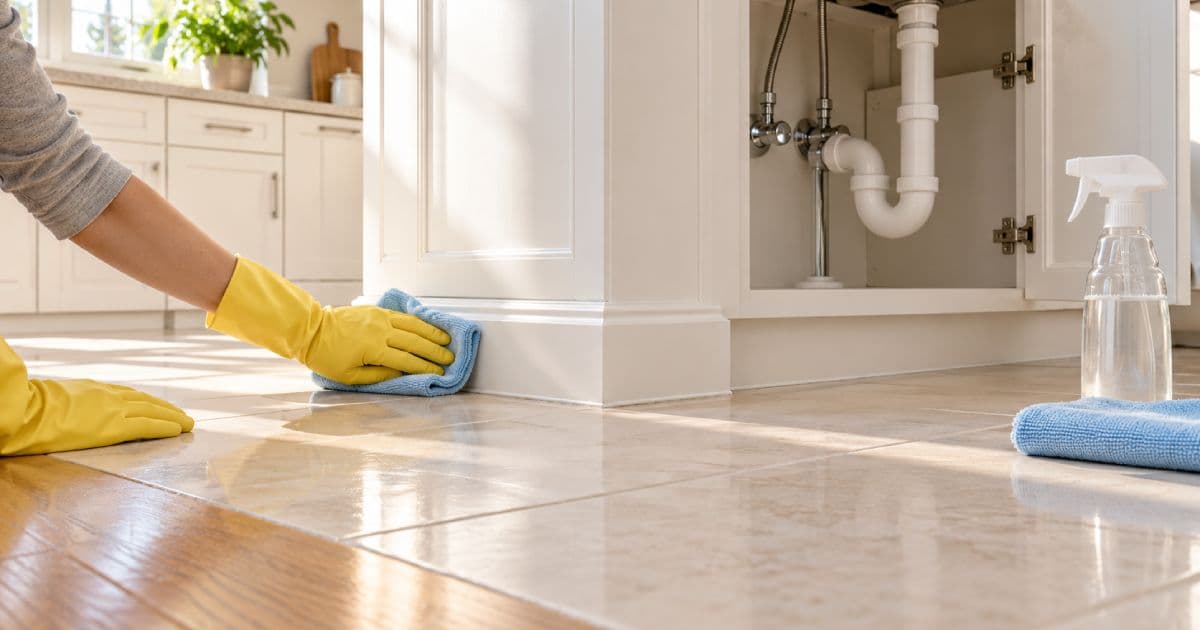
Killing insects does not automatically remove their droppings, shed material, or body fragments. Plan cleanup alongside treatment and follow-up:
- Collect dead insects and visible debris without scattering dust.
- Damp-clean washable hard surfaces with water and an appropriate detergent, then dry them.
- Use a well-maintained vacuum with HEPA filtration and a sealed air path for suitable floors, crevices, and upholstery. Check that bags, filters, and seals fit correctly so collected dust does not bypass the filter.
- Have someone without the affected person's allergy or asthma handle dusty cleanup when possible, with the affected person out of the area.
- Follow the vacuum manufacturer's instructions for emptying or replacing bags and cleaning filters. Avoid releasing collected dust back into living areas.
- Coordinate cleaning around bait placements so you do not unintentionally remove the treatment.
HEPA vacuuming and physical removal of pest waste are included in NYC HPD's IPM guidance. The EPA's asthma guidance also recommends keeping people with asthma or allergies away from the area being vacuumed.
For heavy contamination or inaccessible areas, ask about professional cleanup. Avoid dry sweeping or vigorous dusting that redistributes the material you are trying to remove.
Allow time away after dusty cleaning. Schedule thorough cleaning while the affected person is elsewhere, preferably with enough time to remain away for several hours. ACAAI notes that disturbed household dust can take more than two hours to settle. This is general dust advice, not a validated cockroach-specific clearance time: room conditions and the work performed matter, and no fixed interval guarantees safe re-entry. Follow any longer pesticide-label or professional re-entry instructions. ACAAI dust-allergy cleaning advice
Routine bleach treatment is not required for cockroach-allergen cleanup. Physical removal of contaminated dust is the goal. In a small household intervention study, adding 0.5% sodium hypochlorite did not appear to improve allergen reduction compared with a previous similar protocol without it. Laboratory protein denaturation is not the same as demonstrated clinical benefit from bleaching a home. Cockroach allergen abatement and hypochlorite study
If disinfection is needed for a separate reason, follow the product label, provide suitable ventilation, and keep the person with asthma away from irritating fumes. Never mix bleach with other cleaners or disinfectants. CDC bleach safety guidance
What Helps in the Bedroom—and What Has Limits?
Keep food out of the bedroom, reduce clutter, clean accumulated dust, and wash washable bedding according to its care label. The American Lung Association emphasizes removing cockroaches and their residual material, not just killing visible insects.
Zippered mattress and pillow covers may belong in a broader plan if dust mites are also a confirmed trigger. They do not eliminate a cockroach infestation. Asthma guidelines recommend dust-mite covers as part of multiple relevant measures, rather than a stand-alone treatment. See our Allergy-Proof Bedroom Checklist.
A correctly sized air purifier can supplement indoor particle control. It cannot clean droppings from a cabinet, remove an infestation inside a wall, or replace repair and cleaning work. EPA home air-cleaner guidance
If filtration is part of your plan, our Air Purifier Guide explains room sizing, filter selection, and operating costs.
Cockroach Allergy Testing and Medical Treatment
How an Allergist Investigates the Trigger
Bring a symptom history, medication list, and any information about home or workplace pest exposure. The clinician may recommend:
- Skin prick testing: small amounts of selected allergen extracts are applied to the skin, with reactions usually read in about 15–20 minutes.
- Specific IgE blood testing: an alternative when skin testing is unsuitable, including some skin conditions or medicines that interfere with skin-test responses.
Ask the clinic which medicines, if any, to hold before testing. Do not stop prescribed asthma treatment on your own. AAAAI allergy-testing guidance
A positive result shows sensitization: your immune system has IgE antibodies that recognize the tested allergen. Clinical allergy means that exposure also causes symptoms. A clinician looks for a compatible, recurring exposure-and-symptom pattern, which can be difficult to recognize with continuous indoor exposure. A positive result alone does not prove that cockroaches explain all your symptoms, establish a current infestation, or predict reaction severity. Do not deliberately expose yourself to test the result. AAFA allergy-diagnosis guidance
Prepare with our First Allergist Appointment Guide.
Medicines Treat Symptoms While You Address Exposure
For allergic rhinitis, treatment may include an intranasal corticosteroid and, depending on symptoms, an oral or nasal antihistamine. These medicines can help while environmental work continues. Nasal sprays and oral antihistamines do not replace asthma inhalers. AAFA cockroach-allergy treatment guidance
Asthma treatment should address airway inflammation as well as immediate breathing symptoms. GINA recommends ICS-containing treatment for adults, adolescents, and children aged 6–11, and advises against relying on a short-acting beta2-agonist, or SABA, alone. SABA-only treatment is associated with greater risk of severe attacks and asthma-related death. The specific plan depends on age, symptoms, available products, and clinical assessment. GINA 2026 asthma guidance
| Inhaler role or approach | What it means for your plan |
|---|---|
| Maintenance controller | An inhaled corticosteroid, or ICS, reduces inflammation. Some people need a daily combination of ICS and a long-acting beta2-agonist, or LABA. Take scheduled doses as prescribed. |
| SMART or MART | A prescribed ICS-formoterol inhaler is used both for scheduled maintenance and for symptom relief. The written plan must specify the exact product, doses, and daily limit. |
| Separate reliever | Albuterol may be prescribed for quick relief alongside an ICS-containing plan. Use a spacer with a compatible pressurized metered-dose inhaler as instructed. Do not add a spacer to a dry-powder device. |
| Anti-inflammatory reliever | Some plans deliver ICS with the reliever. U.S.-approved albuterol-budesonide is an option for adults aged 18 or older. This is distinct from using an ICS-formoterol inhaler for SMART. |
SMART means single maintenance and reliever therapy. MART means maintenance-and-reliever therapy. NAEPP recommends ICS-formoterol SMART for selected patients with persistent asthma. Other ICS-LABA products, such as those containing salmeterol, are not interchangeable rescue inhalers. NAEPP clinician guidance
In the United States, using budesonide-formoterol for rescue under a SMART plan remains off-label, despite guideline support. Have your clinician prescribe and explain that plan rather than changing an inhaler's role yourself. AAAAI inhaled-medication guidance and FDA albuterol-budesonide information
Do not independently increase ICS doses or switch between reliever strategies when symptoms worsen. Follow your individualized action plan, including when to seek urgent care. Continue prescribed treatment even if pest counts fall, unless your clinician adjusts it. NHLBI asthma treatment and action plans
When Might a Biologic Treatment Be Considered?
If asthma remains poorly controlled, an allergist or pulmonologist should reassess the diagnosis, inhaler technique, access and adherence, ongoing exposures, and other contributing conditions. Persistent severe disease despite optimized treatment may warrant a biologic, chosen according to the person's asthma pattern, biomarkers, age, and treatment history. GINA 2026 severe-asthma guidance
Examples of U.S.-approved add-on maintenance treatments include:
- Omalizumab, anti-IgE: for eligible patients with moderate-to-severe persistent allergic asthma, perennial-allergen sensitization, and inadequate control with inhaled corticosteroids. Xolair prescribing information
- Dupilumab, anti-IL-4 receptor alpha: for eligible moderate-to-severe asthma with an eosinophilic phenotype or oral-corticosteroid dependence. Dupixent prescribing information
- Mepolizumab and benralizumab, targeting IL-5 or its receptor: for eligible severe eosinophilic asthma. Nucala and Fasenra prescribing information
- Tezepelumab, anti-TSLP: for eligible severe asthma. Its asthma indication is not limited to an eosinophilic phenotype. Tezspire prescribing information
A randomized trial in urban children, adolescents, and young adults with allergic asthma found that adding omalizumab to guideline-based care reduced symptoms and exacerbations. This supports specialist assessment when allergic asthma remains troublesome, not prescribing a biologic solely because a cockroach test is positive. Omalizumab trial
Biologics are maintenance treatments, not emergency relievers. They do not replace the action plan, ongoing exposure control, or inhalers unless your clinician specifically changes the regimen.
Do Allergy Shots Work for Cockroach Allergy?
Cockroach extracts are available for specialist use, and an allergist may consider subcutaneous immunotherapy in selected cases. However, evidence for its clinical benefit is limited.
Extract composition is one challenge. U.S. cockroach extracts are non-standardized and may be labeled in weight/volume or protein nitrogen units, or PNU. These measures do not specify the dose of every relevant allergen. Non-standardized allergenic-extract prescribing information
Research has found variation in allergen content and potency among commercial preparations. Individual patients also recognize different combinations of cockroach proteins. This complicates consistent dosing, but it does not establish that every current vial is subtherapeutic or explain a particular trial's outcome by itself. Research on cockroach extract content and IgE potency
In the 2024 CRITICAL trial, a year of German cockroach allergy shots increased allergen-specific IgG4 antibodies and changed other immune measurements but did not improve the primary nasal-challenge symptom outcome compared with placebo. Immune changes alone do not prove clinical benefit. This does not settle every question about longer treatment, but a guaranteed benefit from a three-to-five-year course should not be promised. Randomized cockroach immunotherapy trial
A 2025 analysis of the same trial reported T-cell changes that did not depend on the abundance of each allergen in the extract. It also describes a single, extensively characterized extract lot used for the trial. The findings do not support attributing the negative nasal outcome simply to batch variability or insufficient Bla g 1 and Bla g 2. The reason immune changes did not translate into that clinical endpoint remains uncertain. Cockroach immunotherapy T-cell study
There is currently no FDA-approved cockroach sublingual allergy tablet. FDA's approved sublingual tablet list
If shots are proposed, ask what benefit is realistic, how progress will be measured, and what the risks and costs are. Our Allergy Shots Guide explains the general process, but evidence differs by allergen.
Frequently Asked Questions
Can you have a cockroach allergy in a clean home?
Yes. Cockroaches can enter through connected building spaces or arrive in transported items, and allergen residue can remain from an earlier infestation. Good housekeeping helps reduce food and hiding places, but it cannot repair a shared plumbing gap or solve an untreated problem elsewhere in the building.
Can dead cockroaches still trigger allergies?
Yes. Dead insects, shed material, and waste can contribute allergen-containing particles to household dust. Removing the insects is only part of the job. Cleaning residual debris and preventing reinfestation are also important.
How long do cockroach allergens remain after extermination?
Residue can persist for months, depending on the material, environment, and cleanup. There is no universal waiting period after which a home becomes allergen-free. Continue targeted cleaning and monitoring, and seek medical review if symptoms remain troublesome.
Is cockroach allergy more common in children than adults?
It affects both children and adults, and prevalence varies with the population and exposure. Research strongly links cockroach allergy and exposure with worse asthma outcomes in affected children. That does not establish that every child is more likely to be allergic than an adult.
Does a positive cockroach allergy test prove my apartment is infested?
No. Skin or blood testing identifies sensitization, not where or when exposure occurred. Your clinician interprets the result alongside symptoms and exposure history. Inspection and monitoring help establish whether there is a current pest problem.
What should I do if cockroaches keep coming back in my apartment?
Report recurring sightings and trap results to management and the pest professional. Ask about unresolved leaks, entry points, connected units, and common spaces. Reassessment and follow-up treatment are more useful than repeatedly adding sprays without finding the source.
Are cockroach bait stations safe around children and pets?
They can reduce pesticide exposure compared with broad spraying when used correctly, but they still contain pesticide. Follow the label and place them where children and pets cannot access them. An enclosed station is not permission to leave it within reach.
Will an air purifier remove cockroach allergens?
A suitable particle filter may capture some airborne material, but it will not remove the infestation or settled debris. Prioritize IPM, repairs, and cleaning. Treat filtration as an additional measure rather than the main cockroach-control strategy.
Should I throw away my mattress or carpets?
Not automatically. Start by identifying the infestation and assessing what can be cleaned. Ask the pest professional about heavily contaminated or difficult-to-clean items before replacing them. Buying new furnishings without controlling the source can leave the underlying problem unresolved.
Do cockroach baits work immediately?
Usually not. Baits can take a week or longer to noticeably reduce activity, and established infestations may need repeated assessment and treatment. Follow the product label and professional schedule, and track catches over time rather than judging success after one night.
Can cockroach allergy cause symptoms all year?
Yes. Indoor exposure can continue throughout the year, unlike a short pollen season. Persistent symptoms can also have other causes, including dust mites or pets. Testing guided by your history can help identify which triggers matter.
Can I stop my asthma medicine once the cockroaches are gone?
Do not stop or reduce prescribed asthma treatment on your own. Residual allergens and other triggers may still matter. Review symptoms and your action plan with your clinician, who can decide whether a treatment change is appropriate.
Does cockroach allergy mean I am also allergic to shrimp?
No. Related proteins, including tropomyosin, can produce cross-reactive test results without symptoms when shrimp is eaten. Tell your allergist about foods you tolerate and any previous reactions. Do not stop eating a tolerated food solely because of a cockroach result, or try a food challenge at home after a suspected reaction.
Do I need bleach to remove cockroach allergens?
Routine bleach treatment is not required. Focus on controlling the insects and physically removing contaminated dust. A small household study did not show added allergen reduction from 0.5% sodium hypochlorite. If disinfection is needed for another reason, follow the product label and never mix bleach with other cleaners.
How long should I stay out of a room after allergen cleanup?
Stay away during dusty cleaning and avoid returning immediately afterward. Scheduling thorough cleaning while you can be elsewhere for several hours is practical, because disturbed dust can take more than two hours to settle. There is no universal cockroach-specific safe interval. Follow any longer pesticide-label or professional re-entry instructions.
Your Next Steps
Start with three actions: document pest activity, request an IPM inspection and necessary repairs, and arrange medical assessment for persistent symptoms or worsening asthma. Continue cleanup and monitoring after treatment rather than assuming that fewer sightings mean all allergen residue has disappeared.
Use our allergist directory to look for a specialist, and follow the Allergy-Proof Bedroom Checklist to address other confirmed indoor triggers alongside your pest-control plan.
Frequently Asked Questions
Can you have a cockroach allergy in a clean home?
Yes. Cockroaches can enter through connected building spaces or arrive in transported items, and allergen residue can remain from an earlier infestation. Good housekeeping helps reduce food and hiding places, but it cannot repair a shared plumbing gap or solve an untreated problem elsewhere in the building.
Can dead cockroaches still trigger allergies?
Yes. Dead insects, shed material, and waste can contribute allergen-containing particles to household dust. Removing the insects is only part of the job. Cleaning residual debris and preventing reinfestation are also important.
How long do cockroach allergens remain after extermination?
Residue can persist for months, depending on the material, environment, and cleanup. There is no universal waiting period after which a home becomes allergen-free. Continue targeted cleaning and monitoring, and seek medical review if symptoms remain troublesome.
Is cockroach allergy more common in children than adults?
It affects both children and adults, and prevalence varies with the population and exposure. Research strongly links cockroach allergy and exposure with worse asthma outcomes in affected children. That does not establish that every child is more likely to be allergic than an adult.
Does a positive cockroach allergy test prove my apartment is infested?
No. Skin or blood testing identifies sensitization, not where or when exposure occurred. Your clinician interprets the result alongside symptoms and exposure history. Inspection and monitoring help establish whether there is a current pest problem.
What should I do if cockroaches keep coming back in my apartment?
Report recurring sightings and trap results to management and the pest professional. Ask about unresolved leaks, entry points, connected units, and common spaces. Reassessment and follow-up treatment are more useful than repeatedly adding sprays without finding the source.
Are cockroach bait stations safe around children and pets?
They can reduce pesticide exposure compared with broad spraying when used correctly, but they still contain pesticide. Follow the label and place them where children and pets cannot access them. An enclosed station is not permission to leave it within reach.
Will an air purifier remove cockroach allergens?
A suitable particle filter may capture some airborne material, but it will not remove the infestation or settled debris. Prioritize IPM, repairs, and cleaning. Treat filtration as an additional measure rather than the main cockroach-control strategy.
Should I throw away my mattress or carpets?
Not automatically. Start by identifying the infestation and assessing what can be cleaned. Ask the pest professional about heavily contaminated or difficult-to-clean items before replacing them. Buying new furnishings without controlling the source can leave the underlying problem unresolved.
Do cockroach baits work immediately?
Usually not. Baits can take a week or longer to noticeably reduce activity, and established infestations may need repeated assessment and treatment. Follow the product label and professional schedule, and track catches over time rather than judging success after one night.
Can cockroach allergy cause symptoms all year?
Yes. Indoor exposure can continue throughout the year, unlike a short pollen season. Persistent symptoms can also have other causes, including dust mites or pets. Testing guided by your history can help identify which triggers matter.
Can I stop my asthma medicine once the cockroaches are gone?
Do not stop or reduce prescribed asthma treatment on your own. Residual allergens and other triggers may still matter. Review symptoms and your action plan with your clinician, who can decide whether a treatment change is appropriate.
Does cockroach allergy mean I am also allergic to shrimp?
No. Related proteins, including tropomyosin, can produce cross-reactive test results without symptoms when shrimp is eaten. Tell your allergist about foods you tolerate and any previous reactions. Do not stop eating a tolerated food solely because of a cockroach result, or try a food challenge at home after a suspected reaction.
Do I need bleach to remove cockroach allergens?
Routine bleach treatment is not required. Focus on controlling the insects and physically removing contaminated dust. A small household study did not show added allergen reduction from 0.5% sodium hypochlorite. If disinfection is needed for another reason, follow the product label and never mix bleach with other cleaners.
How long should I stay out of a room after allergen cleanup?
Stay away during dusty cleaning and avoid returning immediately afterward. Scheduling thorough cleaning while you can be elsewhere for several hours is practical, because disturbed dust can take more than two hours to settle. There is no universal cockroach-specific safe interval. Follow any longer pesticide-label or professional re-entry instructions.
Sources
AllergyAva uses public health, clinical, data, and product documentation to support resource updates.
ACAAI cockroach allergy guidance
ACAAI
View sourceNIEHS: Dust Mites and Cockroaches
National Institute of Environmental Health Sciences
View sourceReview of IgE, mast cells, and allergic inflammation
Nature Medicine, scientific review
View sourceAAAAI/ACAAI cockroach environmental practice parameter
Journal of Allergy and Clinical Immunology
View sourceExperimental study of cockroach protease and airway cells
Scientific Reports, original research
View sourceResearch on tropomyosin and asymptomatic shellfish sensitization
Journal of Allergy and Clinical Immunology, original research
View sourceAAAAI food-allergy diagnosis guidance
AAAAI
View sourceAAFA cockroach allergy symptoms
Asthma and Allergy Foundation of America
View sourceMedlinePlus asthma danger signs
MedlinePlus, National Library of Medicine
View sourceGINA 2026 asthma guidance
Global Initiative for Asthma
View sourceNHLBI emergency advice
National Heart, Lung, and Blood Institute
View sourceNHLBI Asthma Action Plan
National Heart, Lung, and Blood Institute
View sourceUniversity of Florida cockroach management guidance
University of Florida IFAS Extension
View sourceApartment-building IPM research
Journal of Economic Entomology, original research
View sourceNYC Health pest-control information for residents
City of New York
View source2020 NAEPP asthma guideline recommendations
Journal of Allergy and Clinical Immunology
View sourceCockroach-control trial in children
Journal of Allergy and Clinical Immunology, original research
View sourceRutgers German cockroach guidance
Rutgers Cooperative Extension
View sourceUC Integrated Pest Management guidance
University of California Statewide IPM Program
View sourceEPA advice on cockroaches and asthma
U.S. Environmental Protection Agency
View sourceNYC HPD indoor-allergen repair and cleanup guidance
City of New York
View sourceEPA pesticide-use precautions
U.S. Environmental Protection Agency
View sourceCDC advises avoiding sprays and foggers
Centers for Disease Control and Prevention
View sourceEPA fogger safety information
U.S. Environmental Protection Agency
View sourceACAAI dust-allergy cleaning advice
ACAAI
View sourceCockroach allergen abatement and hypochlorite study
Journal of Allergy and Clinical Immunology, original research
View sourceCDC bleach safety guidance
Centers for Disease Control and Prevention
View sourceAmerican Lung Association
American Lung Association
View sourceEPA home air-cleaner guidance
U.S. Environmental Protection Agency
View sourceAAAAI allergy-testing guidance
AAAAI
View sourceAAFA allergy-diagnosis guidance
Asthma and Allergy Foundation of America
View sourceNAEPP clinician guidance
National Heart, Lung, and Blood Institute
View sourceAAAAI inhaled-medication guidance
AAAAI
View sourceFDA albuterol-budesonide information
U.S. Food and Drug Administration
View sourceNHLBI asthma treatment and action plans
National Heart, Lung, and Blood Institute
View sourceGINA 2026 severe-asthma guidance
Global Initiative for Asthma
View sourceXolair prescribing information
DailyMed, U.S. prescribing information
View sourceDupixent prescribing information
DailyMed, U.S. prescribing information
View sourceNucala
DailyMed, U.S. prescribing information
View sourceFasenra
DailyMed, U.S. prescribing information
View sourceTezspire prescribing information
DailyMed, U.S. prescribing information
View sourceOmalizumab trial
New England Journal of Medicine, original research
View sourceNon-standardized allergenic-extract prescribing information
DailyMed, U.S. prescribing information
View sourceResearch on cockroach extract content and IgE potency
Journal of Allergy and Clinical Immunology
View sourceRandomized cockroach immunotherapy trial
Journal of Allergy and Clinical Immunology
View sourceCockroach immunotherapy T-cell study
Journal of Allergy and Clinical Immunology
View sourceFDA's approved sublingual tablet list
U.S. Food and Drug Administration
View source
Next steps
Turn allergy guidance into a local plan
Keep reading
Related AllergyAva resources
MERV 11 vs. MERV 13 vs. HEPA: HVAC Filter Guide for Allergy Homes
Dehumidifier vs. Air Purifier for Allergies: Which One Do You Need?
Editorial standards
Resources are prepared by the AllergyAva Editorial Team. Health-information pages are clinically reviewed before publication. Content is informational and is not a substitute for personal medical advice.
Read our review policy