
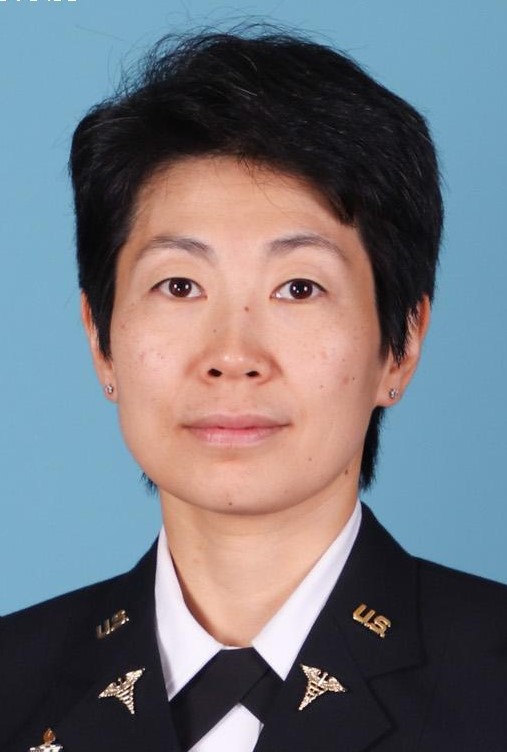
Dr. Megan Motosue
Kaiser Permanente Honolulu Medical Office
Check today's pollen count by city in Hawaii. Explore local allergy forecasts, monitor common seasonal allergens, and use city-level trends to plan around high pollen days.
Allergy Ava organizes statewide and local pollen information so you can compare conditions, anticipate seasonal flare-ups, and find relevant allergy forecast pages faster.
Pollen levels in Hawaii can vary by city, weather, vegetation, and season. Choose a local forecast below to see the current allergy index, main allergen, and 5-day outlook for cities including Urban Honolulu, East Honolulu, Hilo, Pearl City, Waipahu.
Loading city data
Local allergy care
Use today's pollen forecast alongside nearby allergy and immunology profiles when symptoms need clinical follow-up, testing, or long-term treatment planning.
Kaiser Permanente Honolulu Medical Office

Kaiser Permanente Honolulu Medical Office
Tripler Army Medical Center
Hawaii allergy sufferers can use this page to monitor pollen trends and find relevant city forecasts when available. Pollen levels vary by season, with tree pollen often peaking in spring, grass pollen becoming more active in late spring and summer, and weed pollen, especially ragweed, remaining a concern in late summer and fall.
Use Allergy Ava's city-level forecasts to plan outdoor activities, manage medication timing, and stay informed about the allergens most prevalent in your area. Our data is updated regularly to give you the most accurate picture of current conditions.
Not a dependable one. Warm temperatures allow grasses and other plants to remain active throughout the year, while mold and indoor allergens can persist during humid weather.
It depends on the trigger. Hilo’s frequent rain and humidity can favor mold, while drier Honolulu neighborhoods may experience more airborne grass pollen and dust. Daily conditions are more useful than a single island-wide ranking.
Trade winds can disperse stagnant air, but they can also transport pollen between neighborhoods. Mountains, valleys, and differences in local rainfall make the effect vary across each island.
No. Vog is air pollution produced by volcanic emissions rather than pollen, although it can irritate the eyes and respiratory system and resemble or worsen allergy symptoms. Check air-quality and vog reports separately when emissions are elevated.
Today's statewide signal
Hawaii’s warm climate supports active grasses and vegetation throughout the year, while trade winds, elevation, and sharp windward-leeward rainfall differences shape local exposure. Compare five forecasts across Oʻahu and Hawaiʻi Island for today’s pollen, wind, humidity, and rain conditions.
Data updates regularly to reflect current conditions across Hawaii cities.
Highest city index now
Urban Honolulu
Grass · None
0
Live city comparison
Sort Hawaii cities by pollen index, temperature, or trend. Select a city for its full local forecast.
| Main allergen | Weather context | ||||
|---|---|---|---|---|---|
| Urban Honolulu | 0None | Grass | Stable Tomorrow looks similar, near none conditions. | 57°F | Partly sunny Outdoor pollen exposure looks limited for most people today. |
| East Honolulu | 0None | Grass | Stable Tomorrow looks similar, near none conditions. | 57°F | Partly sunny Outdoor pollen exposure looks limited for most people today. |
| Hilo | 0None | Grass | Stable Tomorrow looks similar, near none conditions. | 57°F | Humid Outdoor pollen exposure looks limited for most people today. |
| Pearl City | 0None | Grass | Stable Tomorrow looks similar, near none conditions. | 57°F | Partly sunny Outdoor pollen exposure looks limited for most people today. |
| Waipahu | 0None | Grass | Stable Tomorrow looks similar, near none conditions. | 57°F | Partly sunny Outdoor pollen exposure looks limited for most people today. |
Grass is the main allergen
Pollen index
0
Trend
Stable
Outdoor pollen exposure looks limited for most people today.
Grass is the main allergen
Pollen index
0
Trend
Stable
Outdoor pollen exposure looks limited for most people today.
Grass is the main allergen
Pollen index
0
Trend
Stable
Outdoor pollen exposure looks limited for most people today.
Grass is the main allergen
Pollen index
0
Trend
Stable
Outdoor pollen exposure looks limited for most people today.
Grass is the main allergen
Pollen index
0
Trend
Stable
Outdoor pollen exposure looks limited for most people today.
Regional allergy forecast
Dense landscaping, tropical grasses, urban heat, and trade-wind exposure create highly local pollen patterns from central Honolulu to the drier neighborhoods of southeast Oʻahu.
Lawns, disturbed land, suburban vegetation, and generally drier leeward weather can favor airborne grass and weed pollen around Pearl City and Waipahu.
Frequent trade-wind rainfall keeps Hilo lush and humid. Pollen remains possible year-round, but mold and moisture-related exposure can become especially important during prolonged wet weather.
State-specific pollen calendar
Possible year-round
Bermuda, Johnson, and other grasses can release pollen during much of the year because warm coastal areas do not experience a winter freeze.
Often February to May
Introduced shade, fruit, and ornamental trees bloom on different schedules, creating neighborhood-level pollen increases rather than one uniform statewide peak.
May to October
Dry ground and steady wind can increase airborne grass, weed, and dust exposure in leeward communities.
Wet and humid periods
Mold can remain active throughout the year, particularly around rainy windward areas such as Hilo and after extended wet weather on Oʻahu.
Weather-pollen correlation
Wind can disperse pollen, rain can temporarily wash particles down, and humidity can increase mold irritation. The city table combines pollen and weather signals so users can compare outdoor risk without opening every city page.