Search allergists by provider name, practice, city, state, ZIP, specialty, and allergy services. Compare local care options alongside AllergyAva pollen forecasts.
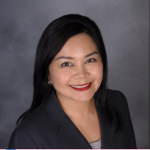
Dr. Grace P. Tamesis is a Texas Children’s pediatric allergy and immunology specialist in Austin and medical director of Pediatric Allergy and Immunology. She evaluates asthma, food allergy, eczema, allergic rhinitis, eosinophilic esophagitis, contact dermatitis, anaphylaxis, hereditary angioedema, FPIES, chronic cough and primary immunodeficiency.
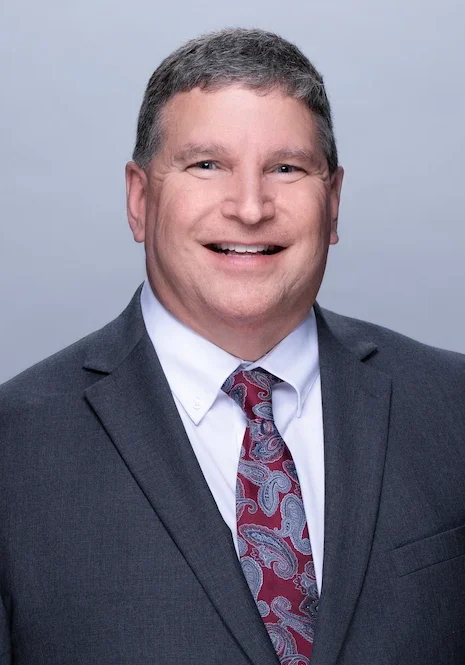
Dr. Gregg M. Santilli is a board-certified allergist-immunologist with Southwest Allergy & Asthma Center in Plano, Texas. He treats adults and children with asthma, allergic rhinitis, food and drug allergies, stinging insect allergy, sinus disease, and complex respiratory allergy concerns, including allergic fungal sinusitis and aspirin-triggered respiratory disease.
Dr. Gregory D. Brooks is a board-certified allergist-immunologist at The Asthma & Allergy Center in Bellevue, Nebraska. He evaluates and treats allergic rhinitis, asthma, sinus allergy symptoms, hives, food and environmental allergies, and immunology-related concerns.
Dr. Gregory Marcotte provides adult and pediatric allergy and immunology care in Wilmington, Delaware through ENT & Allergy of Delaware. Patients visit him for help with asthma, allergic rhinitis, food and drug allergies, eczema, hives, immune concerns, and allergy testing or immunotherapy planning.
Dr. Gregory M. Metz is a board-certified allergist-immunologist and certified asthma educator at Oklahoma Allergy & Asthma Clinic in Oklahoma City. He provides care for asthma, allergies, hives, eczema, food allergies, sinus symptoms, and immune concerns while also contributing to medical education and physician training.
Dr. Gregory Owens is a board-certified adult and pediatric allergist and immunologist at OHSU Allergy and Clinical Immunology Clinic in Portland, Oregon. His clinical interests include pediatric food allergy, asthma and urticaria, and he also evaluates patients with allergic rhinitis, eczema, medication allergy concerns and immune-system disorders. Patients looking for allergy care in the Portland area can see Dr. Owens for thoughtful diagnosis, education and treatment planning.
Dr. Gregory Wickern is an allergist-immunologist with Asthma & Allergy of Idaho, serving patients through the Rexburg office. He evaluates asthma, allergic rhinitis, food and environmental allergies, eczema, hives, allergy testing needs, and immunotherapy options.
Dr. Gretchen Harmon is a pediatric allergy provider at Nemours Children's Hospital, Delaware. Families in Wilmington can find support for childhood food allergies, chronic rhinitis, asthma symptoms, eczema, hives, recurring allergic reactions, and coordinated allergy testing or treatment planning.
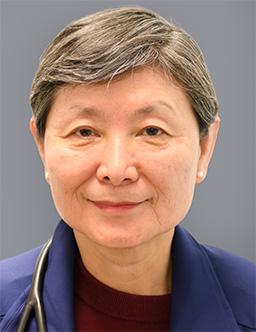
Dr. H. James Wedner is a senior WashU Medicine allergist and immunologist serving the St. Louis area. He provides academic allergy care for patients with asthma, hives, allergic rhinitis, food and drug allergy, immune deficiency concerns and difficult-to-manage allergic disease. This profile highlights his long-standing role in Washington University allergy care and directs patients to a current Barnes-Jewish West County location.
Dr. H.C. Nataraj is a Central Ohio allergist and immunologist with Family Allergy & Asthma in Columbus. He helps children and adults manage asthma, allergic rhinitis, food allergies, hives, and immunology concerns through testing, medication guidance, and personalized allergy treatment.
Dr. Haeyoung K. Hwang is a pediatrician and allergy/immunology physician serving patients through Boston Children’s Health Physicians in the Bronx area. Her listing supports families looking for pediatric allergy care, asthma evaluation, environmental allergy help, food allergy guidance, and immune-related pediatric services.
Dr. Hamsa Subramanian is a board-certified allergist and immunologist with Signature Medical Group in Saint Louis, MO. She sees children and adults with allergies, asthma, food allergy concerns, eczema, hives, and immune system issues, with a strong emphasis on patient education and practical allergy management.
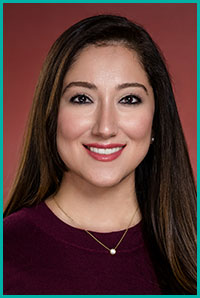
Dr. Hana Tartibi is a board-certified Denton allergist-immunologist at North Texas Allergy & Asthma Center. She cares for pediatric and adult patients with asthma, seasonal allergies, food allergies, eczema, chronic hives, rhinitis, and immune concerns, with a practical focus on helping families manage allergy symptoms long term.
Dr. Hannah Harrison is an adult and pediatric allergist-immunologist with ENT & Allergy Associates in Thorofare, New Jersey. She helps patients in the West Deptford area manage asthma, seasonal and environmental allergies, food allergy concerns, eczema, hives, allergic rhinitis, and other immune-related conditions. Her profile is a strong local fit for families searching for allergy testing, asthma care, and immunology support in Gloucester County and South Jersey.
Dr. Hans Otto is a board-certified allergist and immunologist at Family Allergy & Asthma in Florence, Kentucky. He provides Northern Kentucky patients with allergy testing, asthma management, immunotherapy, and treatment for seasonal allergies, food allergies, eczema, and related immune conditions.
Allergists are physicians trained to diagnose and manage allergic disease, asthma, eczema, hives, medication reactions, immune concerns, and food allergy risk. Use the directory to compare nearby physicians, but confirm insurance coverage, referral requirements, and testing availability with the office.
What is the difference between an allergist and an ENT?
An allergist focuses on immune-system causes of symptoms, allergy testing, asthma care, immunotherapy, and reactions to foods, medicines, insects, pets, pollen, and mold. An ENT focuses on surgical and structural conditions of the ear, nose, throat, sinuses, tonsils, voice, and airway. Many patients benefit from both: an ENT may evaluate chronic sinus blockage, while an allergist identifies triggers that drive inflammation or asthma flares.
What should you expect during your first allergy test?
Most first visits start with a symptom history, medication review, exposure review, and focused physical exam. If skin testing is appropriate, small amounts of common allergens are placed on or under the skin and checked for a controlled reaction. Some patients need blood testing instead, especially when skin testing is not safe or medicines cannot be paused.
How should you prepare your child for pediatric allergy testing?
Ask the clinic which antihistamines or sleep aids should be stopped before the appointment, bring a list of reactions and foods or environments involved, and pack snacks, comfort items, and past test results. Tell children that testing may feel itchy or briefly uncomfortable but should not feel like a vaccine shot.